
How to Prepare Your Export Document Charcoal Briquette Successfully
Global trade demands strict compliance with international shipping regulations when dealing with dangerous goods. Consequently, exporters must carefully prepare every required export document charcoal briquette buyers expect. Preparing these files early prevents expensive shipping delays at international ports. Therefore, sellers must understand the paperwork thoroughly to secure smooth delivery.
Crucial Safety Certifications for Overseas Shipping
International maritime laws categorize processed wood products as potentially self-heating substances. Therefore, shipping companies require extensive testing before loading cargo onto ships. Thus, getting these safety papers ready is highly necessary.
- Material Safety Data Sheet
- Self-Heating Test Report
- Vanning Survey Certificate
- Certificate of Analysis
Material Safety Data Sheets
Every global shipment requires a comprehensive Material Safety Data Sheet. Consequently, this sheet explains chemical compositions and emergency handling procedures. Therefore, port safety officers inspect it before granting entry.
Moreover, transport companies refuse cargo if the sheet contains outdated data. Thus, exporters must renew their safety sheets every single year.
Furthermore, buyers utilize this sheet to train warehouse staff in safe storage. Therefore, having a clear document builds trust with your business clients.
Self-Heating Test Reports
The Self-Heating Test measures spontaneous combustion risks at elevated temperature levels. However, testing laboratories must follow strict international standard procedures. Therefore, valid test results allow safe transport inside warm cargo holds.
Consequently, failure to present this document leads to immediate container rejection. Thus, manufacturers should contact accredited testing laboratories early.
In addition, port authorities check the test dates to ensure compliance. Therefore, you must keep these certificates updated for every shipment cycle.
Vanning Survey Certificates
A certified surveyor inspects the container loading process to ensure maximum safety. Moreover, the surveyor checks the physical condition of the container walls. Therefore, this certificate confirms the cargo is safe for ocean travel.
Consequently, shipping lines require this report before loading cargo onto the vessel. Thus, securing this certificate guarantees a smooth shipping process.
Furthermore, the report includes photographic proof of proper container locking. Therefore, it protects sellers from false damage claims during transit.
Essential Customs Clearance Requirements in Destination Ports
Importing countries implement strict border controls to protect local ecosystems and economies. Furthermore, customs officers verify all legal paperwork to verify the cargo’s origin. Therefore, complete documentation speeds up the customs clearance process.
- Certificate of Origin
- Fumigation Certificate
- Phytosanitary Document
- Customs Import Declaration
Certificate of Origin Benefits
The Certificate of Origin officially declares the manufacturing country of the goods. Consequently, customs officers use this form to calculate specific trade tariffs. Therefore, having this paper helps buyers reduce import tax duties.
Moreover, trade chambers issue this certificate to verify genuine production sources. Thus, exporters must provide this document with every international shipment.
Consequently, missing origin papers can result in cargo seizure. Therefore, you must process this document before the ship departs.
Fumigation and Phytosanitary Rules
Wooden pallets can transport invasive pests across international maritime borders. However, professional fumigation treatments eliminate these biological threats successfully. Therefore, a fumigation certificate remains a mandatory import requirement.
Consequently, port officers may quarantine shipments lacking certified wooden packaging. Thus, exporters must apply heat treatment to all shipping pallets.
Furthermore, many countries require a dedicated phytosanitary certificate for organic items. Therefore, exporters should check specific destination rules before packing goods.
Import Declarations and Taxes
Customs declaration forms notify government officials about incoming cargo details. Furthermore, accurate declarations prevent legal disputes during port inspections. Therefore, import brokers must submit these forms before the vessel arrives.
Consequently, incorrect declarations lead to heavy fines and shipping delays. Thus, double-checking tax codes protects your business from financial loss.
Moreover, digital customs systems allow rapid processing of verified documents. Therefore, submitting electronic papers saves significant time at port arrival.
Standard Logistics and Packaging Procedures for Safe Transit
Safe transportation relies heavily on high-quality packaging materials and stacking methods. Therefore, logistics teams must apply protective measures against moisture damage. Thus, proper packing protects product quality during transit.
- Double-wall cardboard cartons
- Airtight inner plastic packaging
- Sturdy wooden pallet bases
- Heavy-duty plastic shrink wrapping
Moisture Protection Methods
Moisture ruins the structural integrity of compressed coconut briquettes. However, airtight inner plastic bags keep humidity away from the product. Therefore, manufacturers must seal the packaging before container loading.
Consequently, the product remains dry during long voyages across humid oceans. Thus, investing in quality plastic bags prevents product degradation.
Moreover, adding silica gel packets inside the boxes absorbs residual moisture. Therefore, this extra step ensures the product arrives in perfect condition.
Palletizing and Stacking Norms
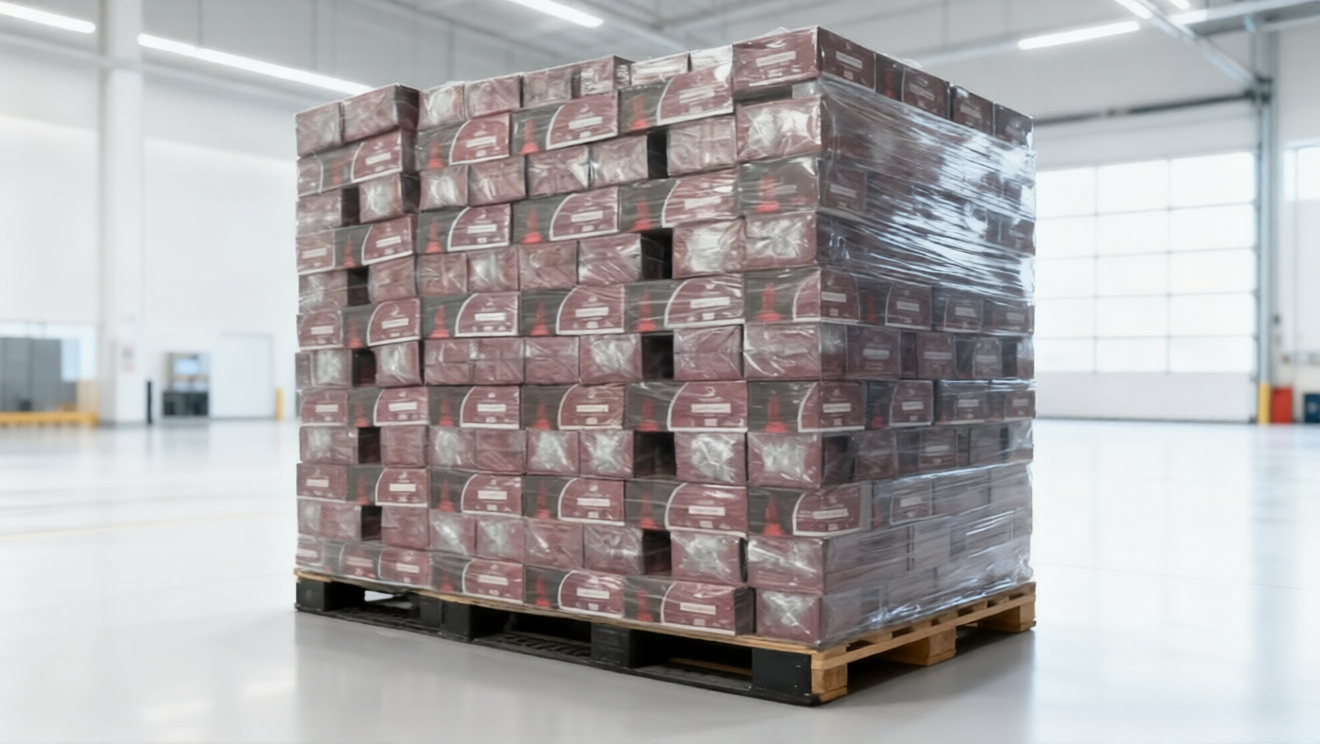
Loose cargo easily shifts during turbulent weather on the open sea. Moreover, standard stacking rules prevent cardboard boxes from collapsing under pressure. Therefore, loaders must secure every pallet with plastic straps.
Consequently, organized pallets allow forklift operators to unload containers quickly. Thus, neat stacking reduces labor costs at destination warehouses.
Furthermore, using corner protectors maintains the carton shapes under heavy stress. Therefore, pallets remain sturdy during long land transport journeys.
Weight and Container Limits
Exceeding maximum container weight limits violates international maritime safety regulations. Furthermore, heavy loads cause structural damage to shipping trailers. Therefore, shipping managers must monitor total cargo weight carefully.
Consequently, accurate weight slips avoid fines at highway weighing stations. Thus, compliance ensures safe road transport from port to warehouse.
Moreover, carriers distribute the weight evenly to maintain vessel stability. Therefore, loaders must follow precise container weight layouts.
Commercial Invoices and Bills of Lading Explained
Official trade documents define the ownership and financial terms of transactions. Therefore, exporters must draft these papers with complete accuracy. Thus, clear documentation protects both buying and selling parties.
- Commercial Invoice documents
- Detailed Packing Lists
- Original Bill of Lading
- Marine Insurance Certificates
Commercial Invoice Accuracy
The commercial invoice outlines the exact payment terms and product values. However, customs departments compare this document with banking transaction records. Therefore, every detail must match the international sales contract.
Consequently, matching values speed up the currency exchange process. Thus, buyers can transfer funds to sellers without banking delays.
Furthermore, clear payment descriptions prevent tax audits from local governments. Therefore, exporters must detail all unit prices very carefully.
Bill of Lading Functions
The Bill of Lading serves as a binding contract between shippers and carriers. Moreover, this document acts as proof of cargo ownership. Therefore, buyers cannot claim goods without presenting the original copy.
Consequently, sellers hold this paper until they receive full payment. Thus, the Bill of Lading acts as a secure financial instrument.
Furthermore, loss of original bills causes severe port release delays. Therefore, choosing secure courier services for paper delivery is highly recommended.
Packing List Specifications
A detailed packing list describes the dimensions and content of each box. Furthermore, customs inspectors use this list during random cargo examinations. Therefore, updating this sheet prevents confusion during inspections.
Consequently, transport crews know exactly how to handle the packages. Thus, clear packing lists improve overall warehouse efficiency.
Moreover, this list helps buyers double-check the cargo upon physical arrival. Therefore, it serves as an essential tool for inventory control.
Frequently Asked Questions Regarding Global Trade Procedures
Navigating international shipping paperwork can seem challenging for new exporters. Therefore, we provide clear answers to common logistics questions below. Thus, you can proceed with your business expansion confidently.
- How long do safety tests take?
- Is a vanning certificate always required?
- Can we use digital copies for customs?
- What happens if documents are missing?
Testing Timelines
Laboratory tests usually require several business days to complete fully. However, exporters should schedule these tests weeks before physical production ends. Therefore, early planning prevents unnecessary port storage charges.
Document Submission
Many modern ports now accept electronic copies of legal trade papers. Moreover, digital submissions speed up the container clearance process significantly. Therefore, exporters should utilize secure online customs portals whenever possible.
Premium Coconut Briquette
Konsultasi GRATIS via WhatsApp: 081330309180
Website: https://premiumcoconutbriquette.com/