Eco-friendly Charcoal Briquettes are Better for Modern Grilling
However, many outdoor cooking enthusiasts now seek sustainable alternatives to traditional lump charcoal because deforestation poses severe environmental threats. Consequently, utilizing eco-friendly charcoal briquettes made from organic agricultural waste has emerged as a highly effective and clean energy solution. This innovative heating source offers a superior burning time while minimizing the carbon footprint of your backyard barbecues. Thus, conscious consumers can enjoy their cooking sessions while supporting green initiatives through premium eco-friendly charcoal.
Sustainable Coconut Shell Sourcing
Historically, manufacturers produced fuel by cutting down pristine forests. However, this destructive practice harms biodiversity.
Therefore, modern producers utilize discarded coconut shells from food industries instead of cutting trees. This process prevents waste.
Consequently, using this raw material supports the circular economy in tropical regions. We can list several key sourcing advantages:
- Millions of tons of discarded shells find a valuable purpose.
- Furthermore, local farmers receive additional income from raw agricultural waste.
- Consequently, this harvesting method preserves vulnerable forest ecosystems worldwide.
- Indeed, the natural density of coconut shells creates incredibly hard coals.
The Green Manufacturing Process
Transforming raw agricultural waste into premium fuel requires specialized machinery. Indeed, carbonization occurs in controlled, low-oxygen environments.
Furthermore, this thermal process removes volatile compounds without emitting toxic fumes. As a result, the final product remains highly pure.
Subsequently, manufacturers mix the carbonized dust with natural binders like organic starch. This mixture creates the signature shapes:
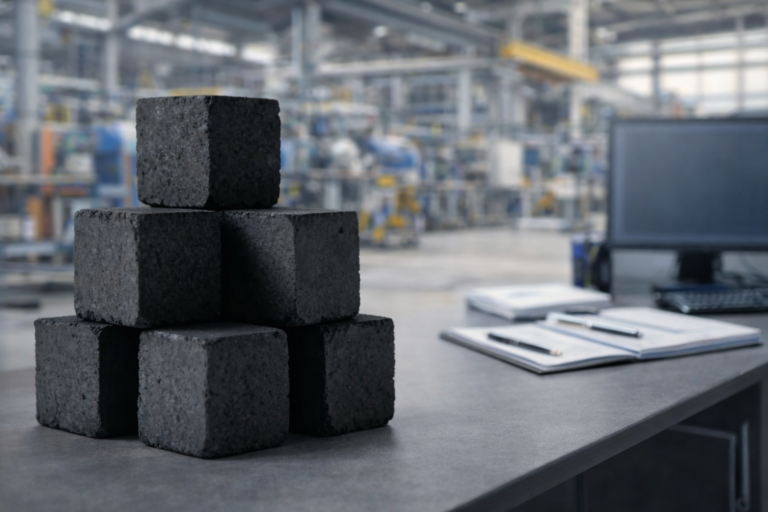
- Modern extruders press the damp mixture into dense cubes or hexagons.
- Moreover, the drying ovens bake the shapes to remove remaining moisture.
- Consequently, the final bricks do not crumble during transport or storage.
- Thus, the entire production chain maintains a carbon-neutral footprint.
Economic and Clean Burning Benefits
Consumers often compare alternative fuels based on burning efficiency and pricing. However, coconut coals consistently outperform standard options.
Specifically, they burn up to three times longer than traditional wood charcoal. This durability reduces total consumption.
Therefore, you will save significant money during long barbecuing sessions. These high-performance blocks offer unique burning properties:
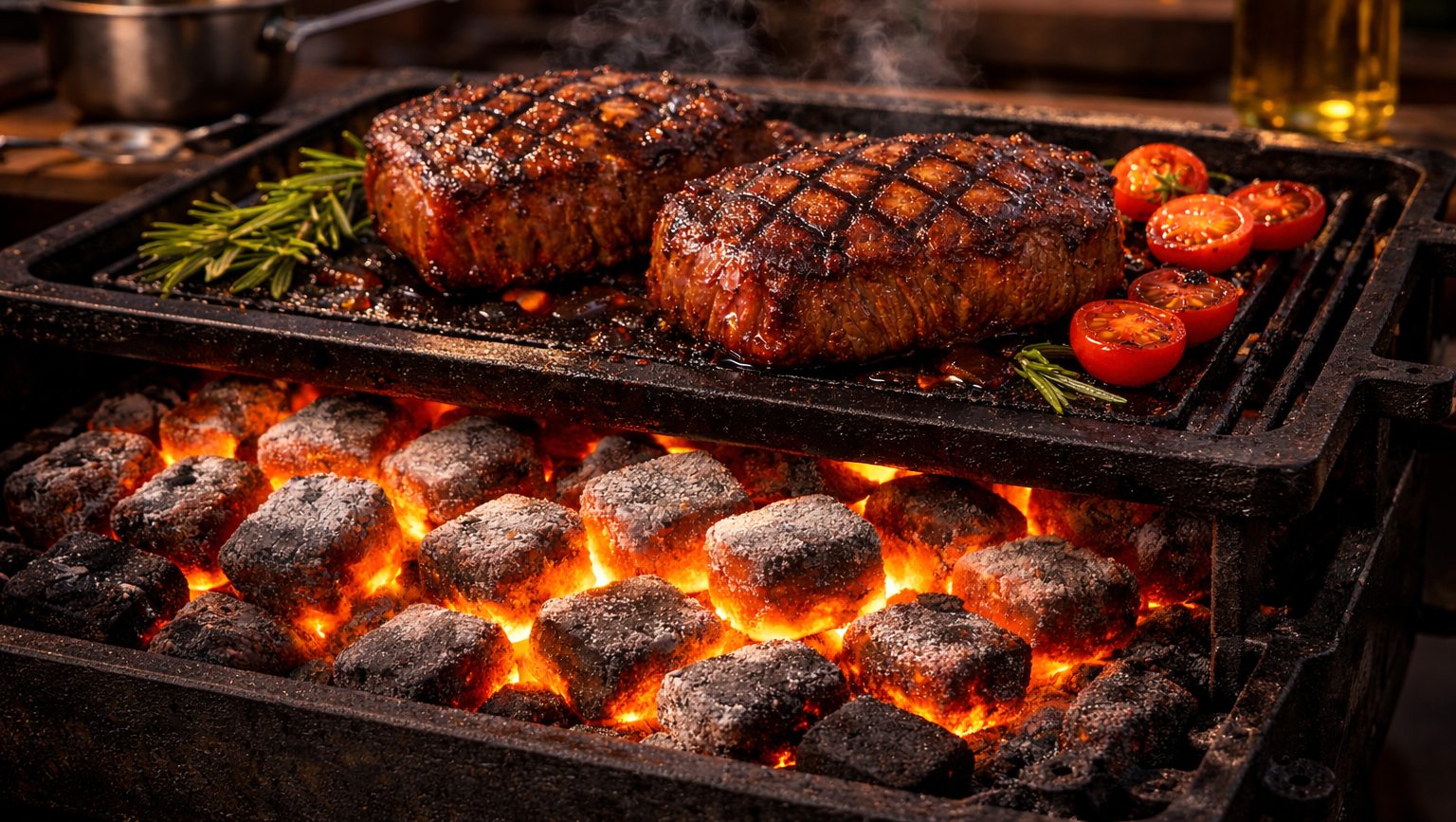
- The heat remains incredibly consistent, which ensures even meat cooking.
- Additionally, they produce very little ash, making cleanup extremely easy.
- Furthermore, they emit no foul odors to ruin food flavor.
- Consequently, chefs can control temperature levels with absolute precision.
Optimal Culinary Applications
Many professional chefs prefer specific fuel types for distinct cooking styles. Indeed, slow roasting requires exceptionally stable heat.
Therefore, these dense blocks work perfectly for smoking heavy briskets and ribs. They maintain constant heat without constant refueling.
Alternatively, home cooks use them for quick grilling on small portable grates. They accommodate various culinary styles easily:
- Outdoor campers enjoy the compact shape for easy carrying.
- Moreover, shisha lounges utilize flat cubes for clean waterpipe heating.
- Similarly, commercial restaurants reduce operating costs using durable briquettes.
- Thus, every cooking environment benefits from this versatile heat source.
Smart Storage and Safety Guidelines
Proper handling ensures that your green fuel performs optimally every time. However, moisture can easily degrade fuel quality.
Therefore, you must store your stock in a dry, elevated place. Wet bricks will struggle to ignite.
Consequently, following simple precautions will extend the shelf life of your blocks. Please observe these vital safety rules:
- Keep the bags away from direct water or high humidity.
- Furthermore, close the packaging tightly after every cooking session.
- Indeed, never use liquid gasoline to light these natural products.
- Thus, always grill in well-ventilated outdoor areas for safety.
Global Shipping and Quality Standards
International distributors require strict quality control before shipping bulk orders. Indeed, moisture levels must remain below ten percent.
Furthermore, laboratory testing verifies the ash content of every production batch. This testing guarantees premium quality.
Consequently, global buyers receive consistent shipments that meet commercial standards. Premium exporter procedures include:
- They use heavy-duty plastic inner packaging to block moisture.
- Moreover, double-wall corrugated cartons prevent physical damage during transit.
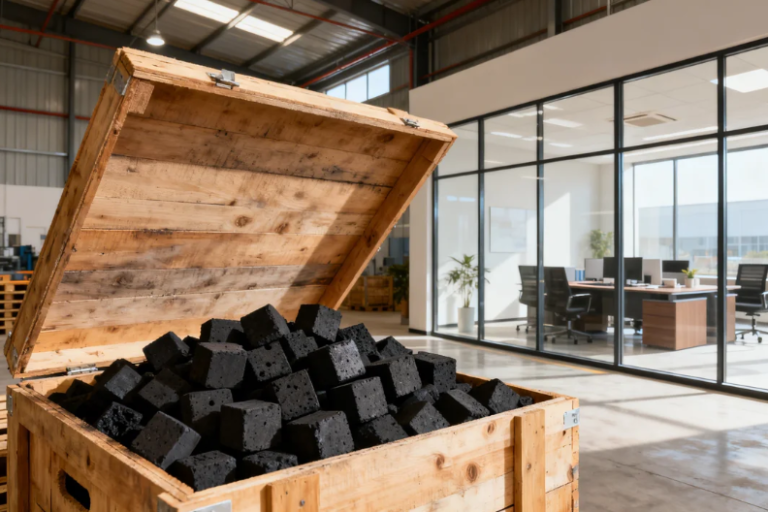
- Indeed, shipping lines pack containers carefully to avoid shifting cargo.
- Thus, the final products arrive at your doorstep in perfect condition.
Comparison with Traditional Fuels
Selecting the right fuel can dramatically change your outdoor cooking results. However, many buyers still purchase cheap wood charcoal.
Therefore, we must analyze the stark differences in performance and eco-friendliness. Wood charcoal burns way too fast.
Consequently, consumers waste resources by continuously replenishing their grills. Let us compare the characteristics of both fuels:
- Traditional lump wood charcoal sparks heavily during the ignition phase.
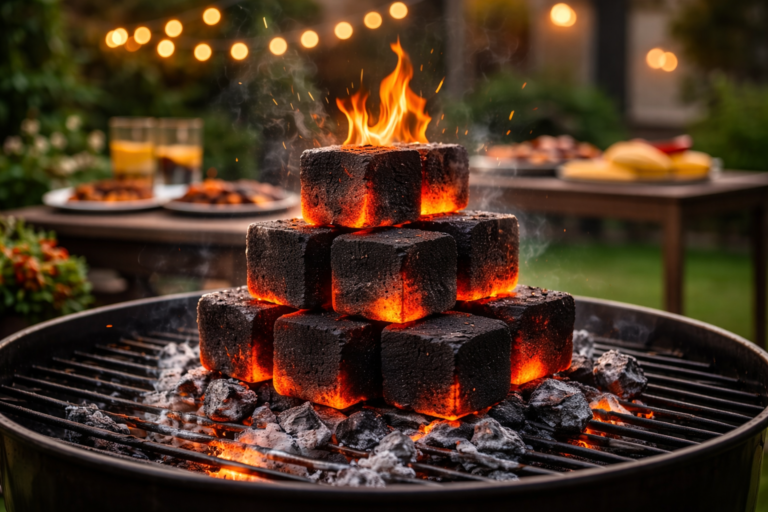
- In contrast, coconut-based alternatives produce zero sparks or smoke.
- Furthermore, wood harvesting destroys ancient forests and vital habitats.
- Thus, coconut shells represent a completely renewable, waste-to-value material.
Environmental Impact of Sustainable Grilling
Global carbon emissions continue to rise due to improper forestry management. However, conscious consumers can combat deforestation effectively.
Therefore, shifting to agricultural waste fuels helps reduce global greenhouse gas emissions. This small change makes a massive difference.
Consequently, every barbecue session becomes an active step toward environmental conservation. This positive impact includes:
- Reducing carbon dioxide output during high-heat cooking operations.
- Additionally, saving thousands of old trees from unnecessary destruction.
- Furthermore, promoting sustainable farming practices in rural communities.
- Thus, cleaning our atmosphere by trapping carbon within organic soil.
Frequently Asked Questions
Buyers often ask several common questions before buying their first bulk batch. Indeed, understanding product specs builds trust.
Therefore, we compile accurate answers to help you choose the best cooking fuel. Knowledge empowers sustainable consumerism.
Consequently, you can make an informed decision for your restaurant or distribution business. Here are the top questions:
- How long do coconut shell coals burn compared to wood?
- Furthermore, they burn for over four hours under standard conditions.
- Do they contain any toxic chemicals or chemical binders?
- Indeed, they contain only natural food-grade starch as a binder.
Selecting Your Premium Supplier Partner
Selecting a reliable manufacturer ensures that your wholesale business remains highly profitable. However, finding consistent quality takes careful evaluation.
Therefore, buyers must look for manufacturers with proper international quality certifications. This step reduces transaction risks.
Consequently, partnering with established leaders guarantees seamless customs clearance and product excellence. Consider these essential supplier traits:
- High production capacity to fulfill bulk orders during peak seasons.
- Moreover, transparent lab test reports demonstrating low volatile matter.
- Indeed, responsive customer support agents fluent in major global languages.
- Thus, offering customizable packaging options to build your unique brand identity.
Premium Coconut Briquette
Konsultasi GRATIS via WhatsApp: 081330309180
Website: https://premiumcoconutbriquette.com/