High Quality Performance of Premium Coconut Shell Briquettes Today
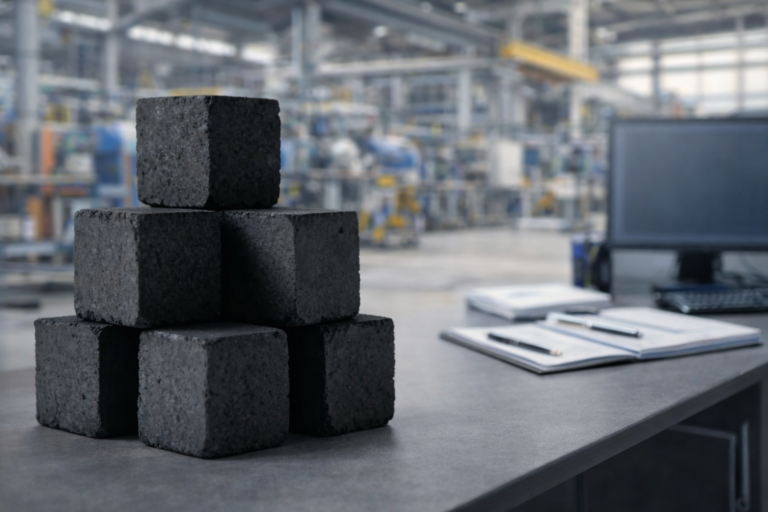
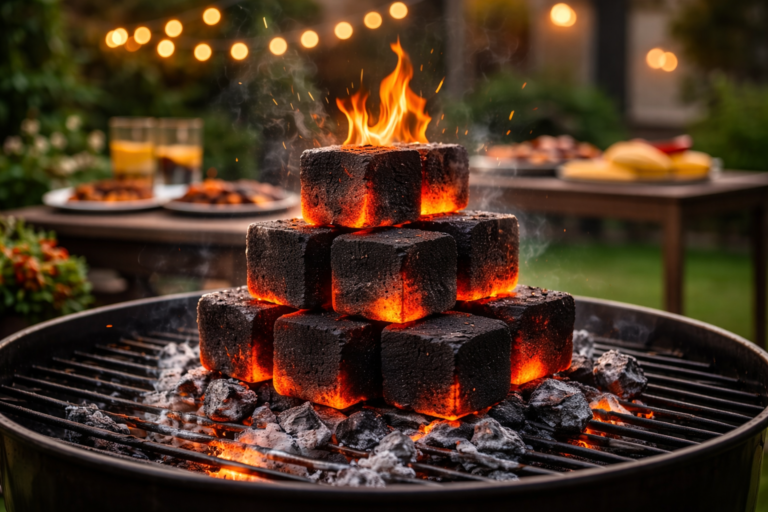
The global demand for sustainable fuel sources continues to rise rapidly across various industrial and culinary sectors worldwide. Many businesses now choose Premium coconut shell briquettes as their primary heat source for efficient grilling and shisha experiences. These products utilize discarded coconut waste to create a clean-burning fuel that outperforms traditional charcoal alternatives significantly. Furthermore, the manufacturing process ensures that users receive a consistent and high-quality heat output for their specific needs.
Characteristics of High-Performance Fuel Materials
The manufacturing process begins with selecting high-grade coconut shell charcoal to ensure density and longevity. High-quality raw materials result in a product that maintains stable temperatures for several hours during usage.
Furthermore, producers refine the carbon content to minimize ash residue and impurities during the combustion phase. Consequently, operators can enjoy a cleaner workspace without constant maintenance or frequent fuel replacement cycles.
- High carbon concentration for sustained heat levels.
- Minimal moisture content to prevent excessive smoke production.
- Uniform shape and density for consistent airflow management.
- Low ash content to facilitate easy cleanup after usage.
Additionally, the binding agents used are strictly organic to maintain an eco-friendly profile. Therefore, the briquettes produce no harmful fumes or chemicals during the heating process.
Optimizing Thermal Efficiency for Commercial Use
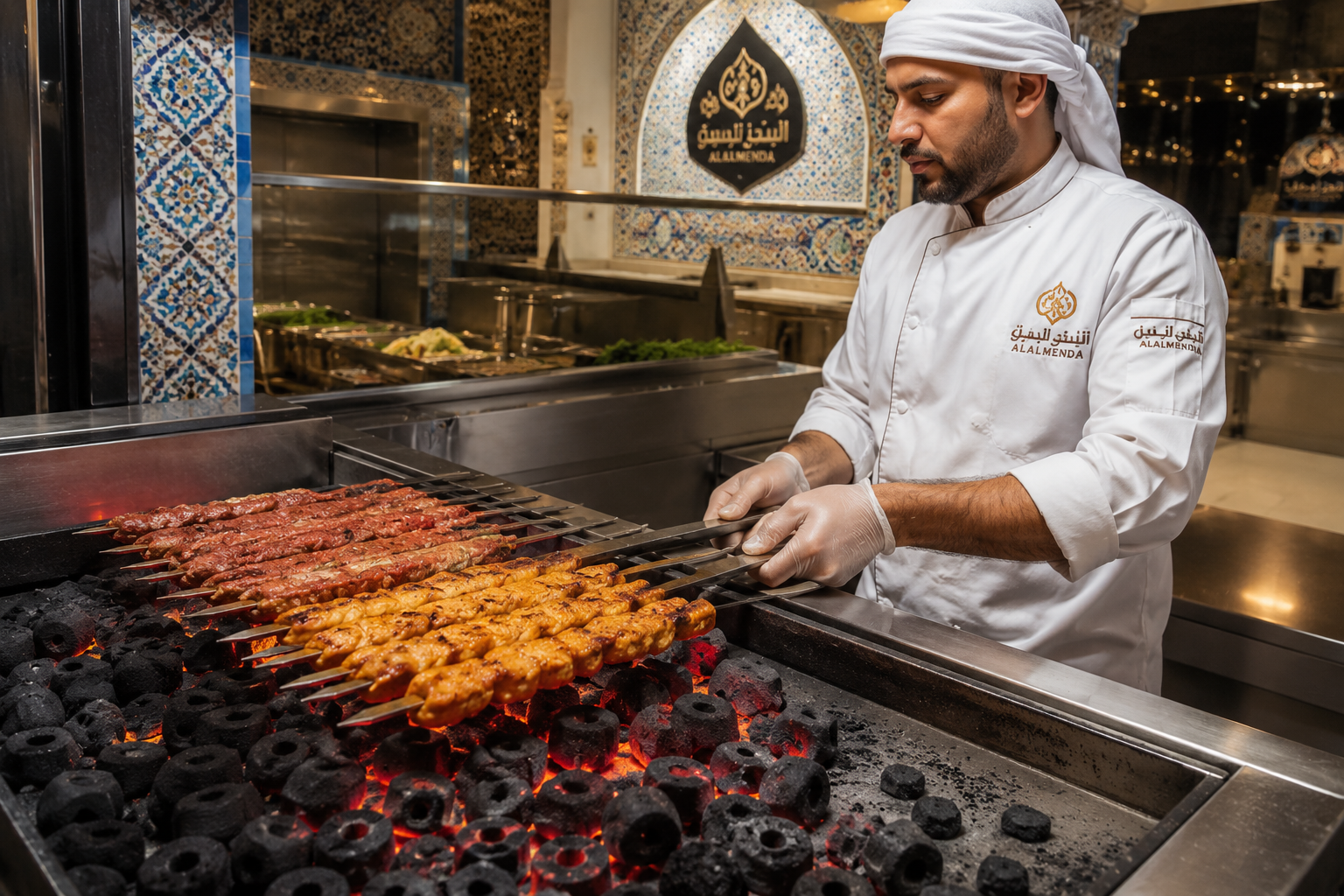
Optimal heat management remains a critical factor for restaurants and professional culinary experts around the globe. By using a denser fuel block, chefs can control the cooking environment with much higher precision.
Additionally, these briquettes provide a neutral scent profile that preserves the natural taste of grilled ingredients. Because the product burns steadily, it reduces the risk of burning meat due to sudden temperature spikes.
- Extended burn time compared to standard lump charcoal.
- Consistent heat radiation across the entire grilling surface.
- Reduced need for ventilation adjustments during peak hours.
- Lower fuel consumption per hour of active operation.
Moreover, the structural integrity of the briquettes allows them to maintain shape even under high pressure. Consequently, the airflow within the grill remains unobstructed throughout the entire cooking duration.
Logistics and Storage Best Practices
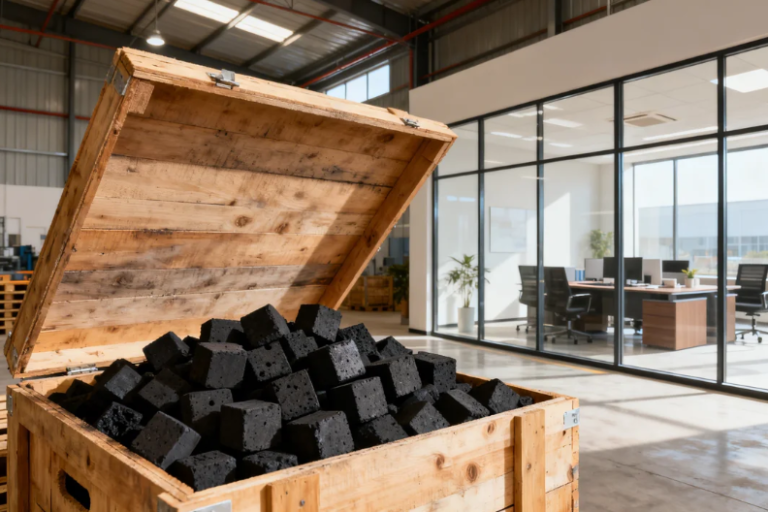
Proper storage is essential to maintain the quality and performance of charcoal fuel over extended periods. Users should keep their stock in a dry environment to avoid moisture absorption from the air.
Furthermore, stacking the boxes properly prevents the crushing of individual pieces during warehouse transport or storage. By maintaining a stable climate, you protect the investment you made in your fuel supply.
- Store in moisture-controlled environments to maintain ignition speed.
- Keep away from direct sunlight or extreme heat sources.
- Utilize pallet systems to allow airflow beneath the storage crates.
- Rotate stock regularly to ensure the oldest batches move first.
Additionally, robust packaging prevents the creation of fine dust during handling and distribution operations. Therefore, the workplace remains tidy and free from unwanted debris during the reloading process.
Environmental Impact and Sustainable Production
Adopting sustainable fuel sources helps businesses reduce their total carbon footprint while satisfying eco-conscious consumer bases. Since this fuel repurposes agricultural waste, it does not contribute to deforestation or ecosystem destruction.
Furthermore, the production cycle supports local coconut farming communities by providing value for their waste products. With this approach, the entire supply chain becomes more ethical and environmentally responsible over time.
- Conversion of agricultural waste into high-value energy products.
- Lower carbon emissions during both production and combustion cycles.
- Minimal dependency on fossil-based fuels for heating operations.
- Support for circular economy principles in manufacturing sectors.
Moreover, the clean burning properties improve air quality in both indoor and outdoor professional kitchen environments. Consequently, staff health and workplace safety improve significantly compared to traditional coal usage.
Future Trends in Sustainable Energy Solutions
Market analysts observe a steady shift toward green energy alternatives in both retail and wholesale markets. Many consumers actively seek out brands that prioritize sustainability without compromising on technical performance standards.
Additionally, ongoing innovation in manufacturing technology continues to improve the energy density of these charcoal briquettes. Therefore, businesses can expect even better performance and efficiency in the coming years of development.
- Advanced compression techniques to increase burn duration further.
- Integration of smart logistics to reduce the shipping carbon footprint.
- Expansion of global distribution networks to ensure reliable supply chains.
- Stricter quality certifications ensuring consistency for international food standards.
Finally, the growing popularity of eco-friendly grilling trends guarantees a strong future for this sector. With such demand, innovation will remain a top priority for all major market players involved.
Premium Coconut Briquette
Konsultasi GRATIS via WhatsApp: 081330309180