The Growing Demand for Premium Charcoal Briquette South Korea Exports
The culinary landscape in East Asia relies heavily on high-quality heating sources for traditional barbecue experiences. Many restaurants now source their fuel from professional manufacturers to ensure consistent heat profiles. Because of this, the charcoal briquette South Korea market has seen a massive surge in interest among local industry leaders. Therefore, businesses must prioritize suppliers that offer clean burning and long-lasting energy outputs to maintain their competitive edge in this busy sector.
Superior Raw Material Selection and Processing
High-quality fuel begins with the selection of natural base components. Manufacturers prioritize coconut shells due to their dense cellular structure. Consequently, this material provides a longer burn time compared to traditional wood coal.
The production process involves carbonizing the shells at very high temperatures. Afterward, the charcoal is crushed into a fine powder to ensure uniformity. This consistency remains vital for professional grilling environments that require steady temperatures.
- Premium coconut shell waste serves as the primary base material.
- Binding agents used are strictly organic and food-grade quality.
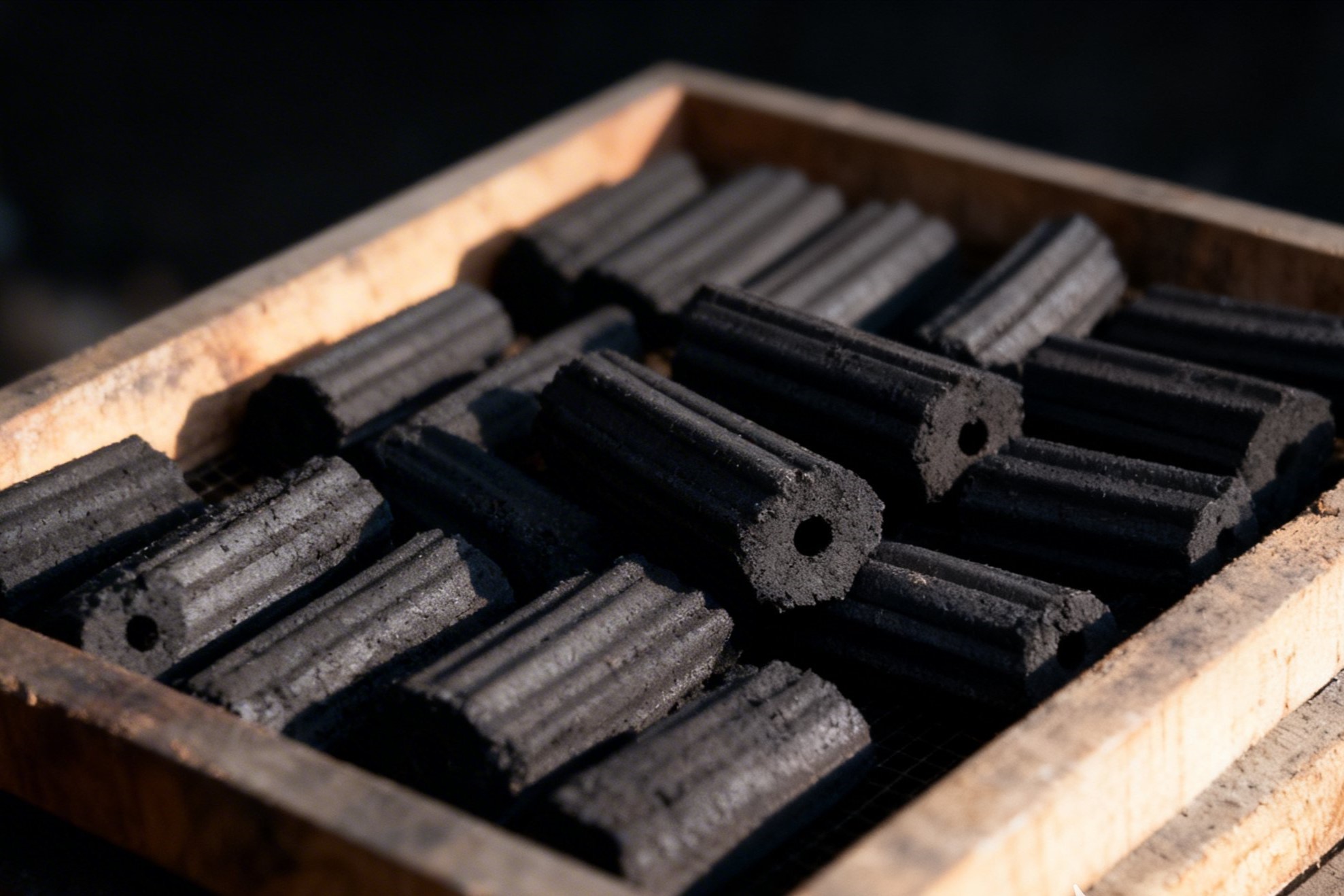
- Automated compression machines ensure the exact density for every piece.
- Rigid quality control checks remove impurities before the final packaging phase.
- Heat treatment cycles are optimized to eliminate harmful smoke or odors.
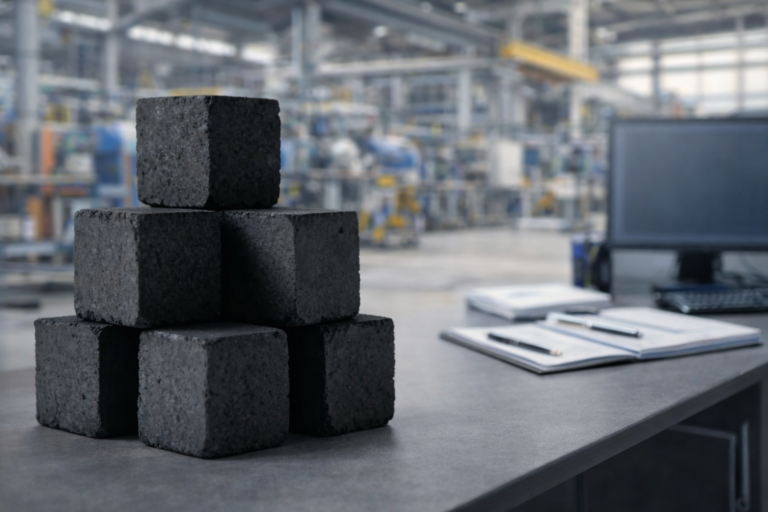
Furthermore, the manufacturing facilities utilize advanced technology to refine the product. Standardized shapes allow for better airflow inside the cooking stoves. As a result, chefs experience fewer interruptions while preparing large quantities of grilled dishes.
Thermal Performance and Environmental Impact
Modern consumers demand cleaner energy solutions for their kitchens. Traditional coal often produces excessive smoke and sparks that degrade the indoor air quality. Conversely, coconut-based alternatives burn cleanly without affecting the natural flavor of the food.
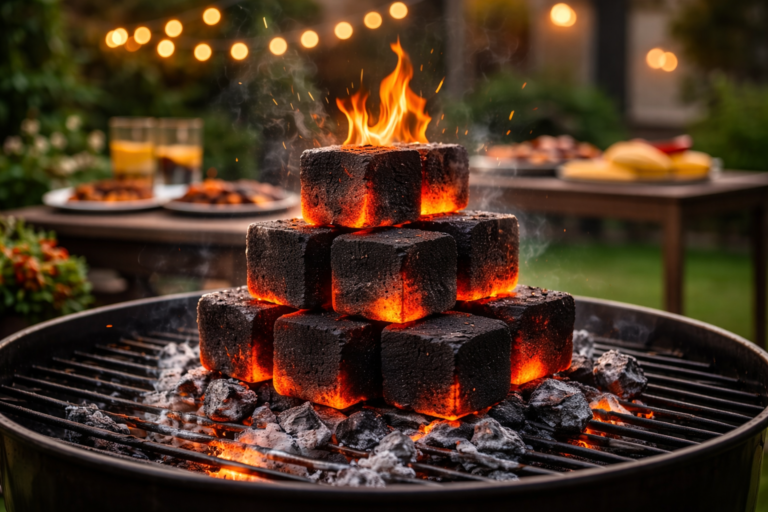
Efficiency remains the most critical factor for commercial kitchen operations. High-density briquettes reach peak temperatures rapidly and maintain them for several hours. Therefore, operators reduce their overhead costs by consuming less fuel per service shift.
- The lack of sparking improves safety standards in professional restaurant kitchens.
- Minimal ash residue allows for easier cleaning of grills and ovens.
- The high caloric value ensures a consistent heat output for hours.
- Sustainable sourcing practices help reduce the overall carbon footprint per batch.
- The chemical-free nature preserves the authentic aroma of the grilled meats.
Moreover, the environmental benefit attracts eco-conscious businesses across the country. Coconut shells are agricultural byproducts, so they do not contribute to deforestation. By utilizing this waste, manufacturers create a circular economy that benefits both the planet and the consumer.
Market Standards and International Logistics
Navigating the import requirements for specific markets involves strict adherence to local regulations. Exporters must provide comprehensive documentation regarding the heat capacity and chemical composition of their products. Therefore, building a reliable partnership with an experienced supplier is crucial for long-term success.
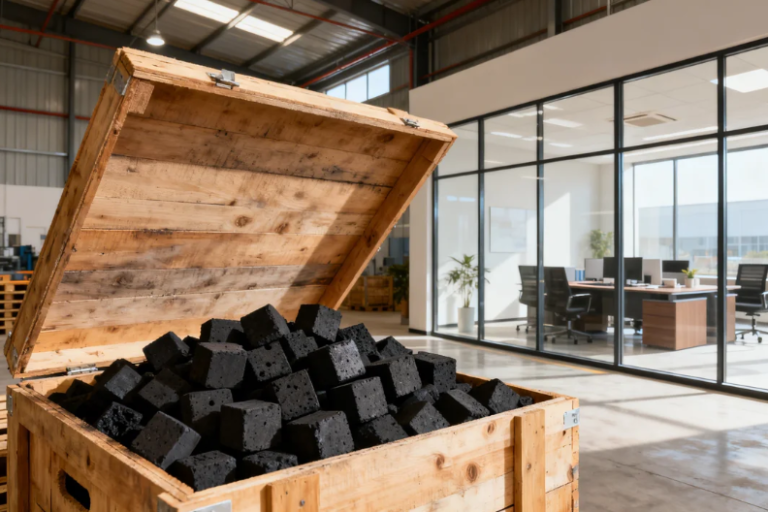
The logistics chain requires careful attention to humidity control during sea transit. Moisture can compromise the integrity of the product and reduce its efficiency. Consequently, professional exporters use moisture-resistant packaging to ensure the quality stays intact upon arrival.
- Certification of origin verifies the sustainable sourcing of raw materials.
- Comprehensive testing reports provide data on sulfur and ash content.
- Optimized pallet stacking maximizes container space and reduces shipping costs.
- Strategic port partnerships ensure timely delivery to major urban hubs.
- Clear communication channels allow for real-time tracking of international shipments.
Additionally, consistent supply chain management prevents stockouts during peak seasons. Many barbecue establishments see increased demand during holidays and weekends. Thus, having a robust inventory plan ensures that the kitchen never runs out of fuel.
Professional suppliers also offer custom branding options for their clients. Restaurants often want to showcase their commitment to quality by using specialized fuel. Therefore, private labeling adds value to the brand image and reinforces customer loyalty.
Finally, the evolution of this industry shows no signs of slowing down. As more restaurants transition away from soft coal, the demand for coconut-based fuel continues to grow. Investing in the right supply chain today prepares businesses for a more efficient and cleaner future.
To summarize, the secret to high-end grilling lies in the quality of the fuel used. By selecting products that prioritize density and cleanliness, chefs can provide superior dining experiences. Moreover, the long-term cost benefits make it an easy choice for any serious culinary business owner.
Frequently Asked Questions
Why are coconut briquettes preferred in professional kitchens?
They provide a consistent, long-lasting heat with zero smoke and minimal ash, making them ideal for high-volume grilling.
Is the fuel environmentally friendly?
Yes, they are made from recycled coconut shell waste, which prevents the need for cutting down trees.
How do I ensure the quality of my fuel import?
Always request laboratory test results regarding ash content, caloric value, and moisture levels from your supplier.
Can these briquettes be used in traditional stoves?
Yes, their uniform shape allows them to fit perfectly into standard charcoal grills and ovens.
Premium Coconut Briquette
Konsultasi GRATIS via WhatsApp: 081330309180