Global Market Standards for Premium Eksportir Arang Batok Kelapa
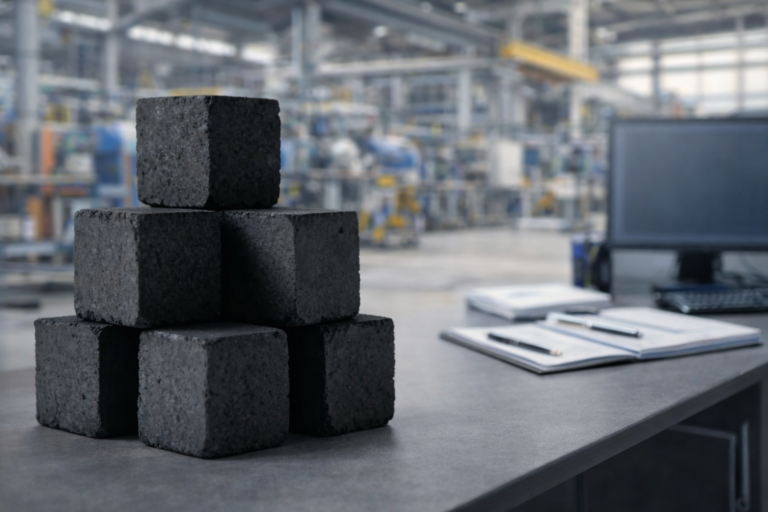
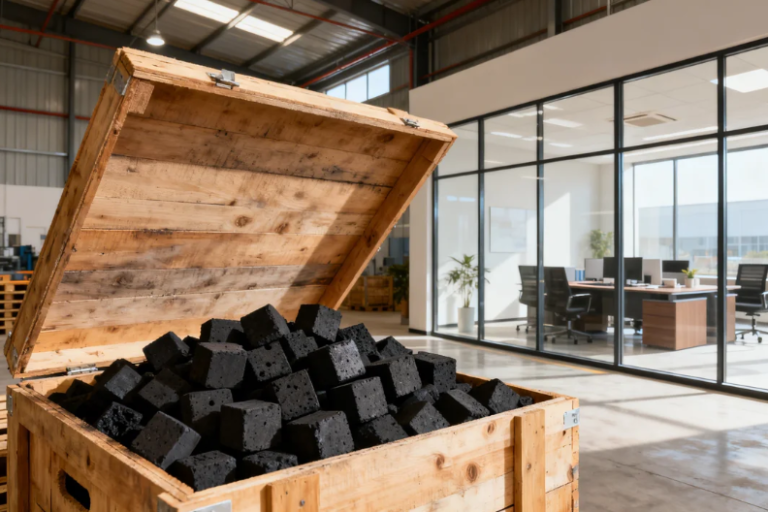
The global demand for high-quality sustainable fuel sources continues to rise across international markets. Specifically, an Eksportir Arang Batok Kelapa plays a vital role in bridging the gap between raw agricultural waste and premium charcoal products. These businesses transform coconut shells into high-density briquettes that serve various industrial and culinary needs worldwide. By maintaining strict quality control, an Eksportir Arang Batok ensures that every shipment meets international safety and energy standards for global clients. Therefore, global buyers consistently rely on professional exporters to maintain steady supply chains.
Superior Raw Material Selection and Processing
Quality begins with the selection of the finest coconut shells from fertile tropical regions. Professional teams carefully inspect raw materials to remove impurities before the carbonization process begins. Consequently, the final product achieves a superior heat output and longer burning time.
The production process involves crushing, carbonizing, and mixing charcoal with natural binders. Workers then press the mixture into specific shapes like cubes or hexagons. Furthermore, this controlled environment ensures uniform density across all produced briquettes for optimal performance.
- Utilization of mature coconut shells for maximum carbon content.
- Advanced kiln technology for consistent carbonization throughout production cycles.
- Rigid testing protocols to ensure minimal ash content levels.
- Application of natural starch binders for an eco-friendly combustion process.
- Precise drying methods to remove excess moisture for stable shipping.
Global Logistics and Distribution Strategies
Effective logistics form the backbone of a successful international trading operation. Exporters must navigate complex customs regulations while ensuring the timely delivery of hazardous material shipments. Hence, they often partner with reputable freight forwarders to guarantee safe sea transport.
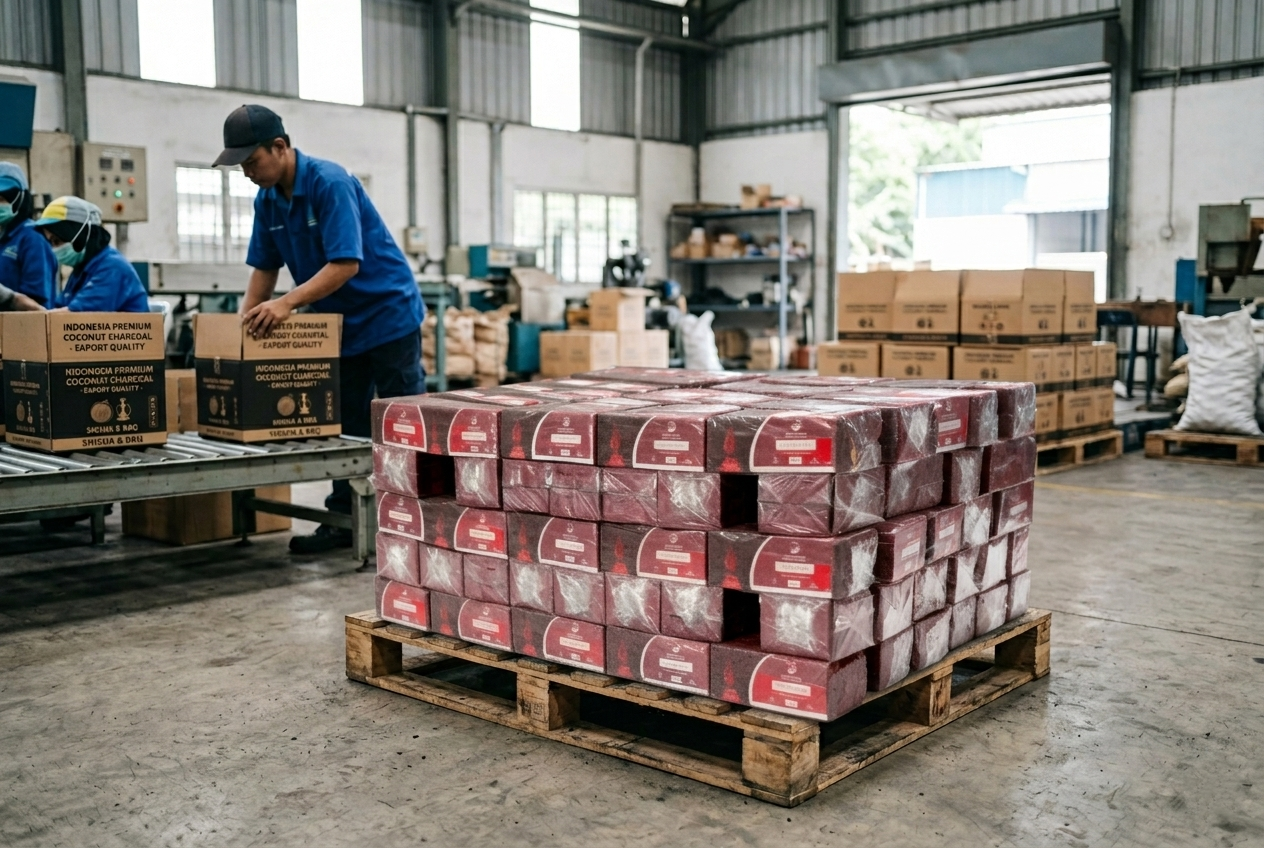
Proper packaging significantly impacts the integrity of charcoal briquettes during long-distance travel. Companies typically use moisture-resistant liners and durable boxes to prevent damage. Moreover, professional logistics teams track shipments in real-time to provide transparency for their global partners.
- Customized shipping schedules tailored to specific port requirements worldwide.
- Comprehensive insurance coverage for every bulk cargo consignment dispatched abroad.
- Strategic warehouse locations near major ports to facilitate rapid loading processes.
- Adherence to international shipping laws regarding flammable goods and charcoal transportation.
- Clear documentation provided for seamless customs clearance in destination countries.
Quality Assurance and International Standards
International markets demand strict compliance with safety, environmental, and thermal energy standards. Exporters frequently obtain third-party certifications to validate the quality of their charcoal products. Consequently, these credentials provide immense confidence to distributors and retail chains operating in Europe or Asia.
Laboratory testing confirms the chemical properties, including fixed carbon percentage and moisture content levels. These rigorous inspections guarantee that the products produce minimal smoke and sparks during use. Therefore, reliable exporters consistently invest in modern testing equipment to maintain their competitive edge.
- Continuous verification of calorific value to ensure efficient cooking performance.
- Regular audits performed by independent quality inspection agencies at factories.
- Compliance with environmental regulations regarding smoke emission during active combustion phases.
- Standardized palletizing methods to minimize breakage rates during the loading process.
- Detailed batch tracking records for every container shipped to overseas clients.
Sustainability and Market Trends
The charcoal industry is currently shifting toward more sustainable and ethical production practices. Modern buyers prioritize brands that demonstrate a clear commitment to renewable resource management and local community welfare. As a result, businesses that adopt green energy in factories attract more international interest.
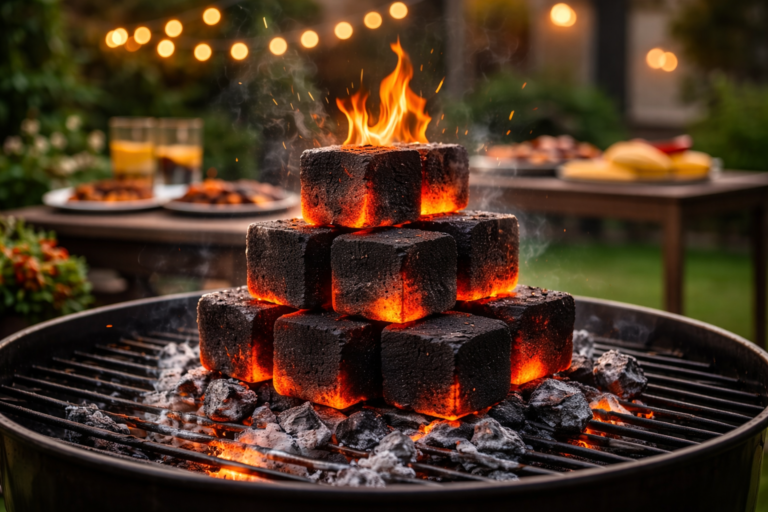
Coconut shells are an abundant byproduct of the food industry, making them an ideal renewable fuel. Exporters promote these benefits to eco-conscious consumers who seek alternatives to wood-based charcoal. Thus, the industry continues to grow by providing cleaner energy solutions for both restaurants and households.
- Strategic sourcing from organic coconut plantations to reduce chemical usage.
- Investment in smokeless production technologies to protect the local environment.
- Collaborative partnerships with local farmers to ensure fair and ethical pricing.
- Development of innovative shapes to cater to diverse international grilling needs.
- Regular updates on market trends provided to help clients manage stock levels.
Future Outlook for Sustainable Charcoal Exporting
The future of the coconut charcoal industry looks exceptionally bright due to global awareness. Innovation in binding agents and carbonization cycles will further improve product efficiency for users. Therefore, staying updated with modern manufacturing trends remains essential for any successful industry player.
Technology continues to drive higher efficiency in both production and distribution stages. Smart logistics systems now allow for better tracking and faster communication with overseas buyers. With these advancements, exporters will continue to satisfy the growing global hunger for clean-burning charcoal.
Premium Coconut Briquette
Konsultasi GRATIS via WhatsApp: 081330309180