High Performance Standards for Premium Coconut Charcoal Briquettes Usage
The global demand for sustainable fuel sources continues to rise as industries move away from traditional coal options. Many users now prefer Premium coconut charcoal because it provides a cleaner and more efficient heating experience for various culinary applications. Furthermore, these products utilize agricultural waste to create a dense fuel source that burns longer than standard charcoal blocks. High-quality production methods ensure that users receive consistent performance for every cooking session or industrial heating requirement.
Manufacturing Standards and Raw Materials
Manufacturers prioritize the selection of high-quality coconut shells to ensure product consistency. They clean the shells thoroughly to remove any impurities before starting the carbonization process.
Additionally, the carbonization stage happens in controlled environments to maintain high fixed carbon levels. This meticulous process removes volatile substances that usually cause smoke or unpleasant odors.
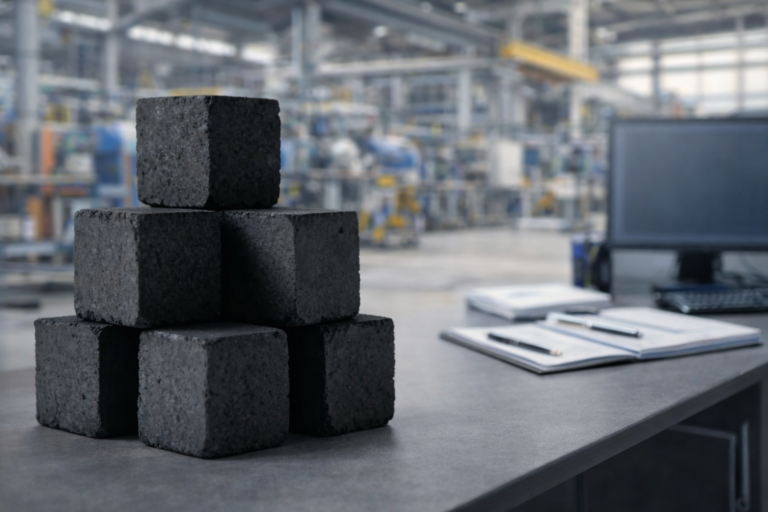
The resulting charcoal powder undergoes a precise compression phase using natural binding agents. Therefore, the final bricks maintain their structural integrity during high-heat exposure.
- Select only mature coconut shells for maximum heat density.
- Ensure the charcoal powder has high carbon content.
- Use organic binders to prevent toxic fumes during combustion.
- Control moisture levels to keep the briquettes dry and stable.
- Monitor the crushing process to achieve uniform particle sizes.
Thermal Efficiency and Burning Characteristics
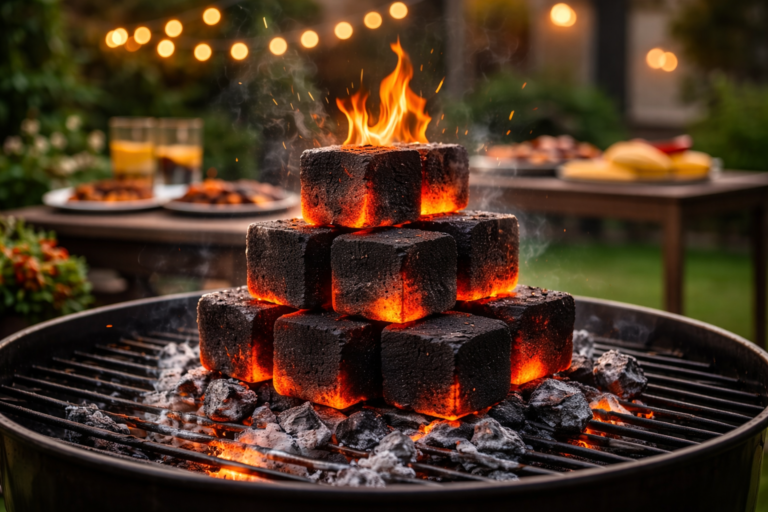
Professional chefs prefer these briquettes because they generate high temperatures consistently throughout the burning period. Unlike traditional wood charcoal, these bricks provide a steady heat flow without sudden drops.
Furthermore, the long burning time allows for extended cooking sessions without frequent replenishment. This efficiency saves money for businesses that rely on consistent heat for their daily operations.
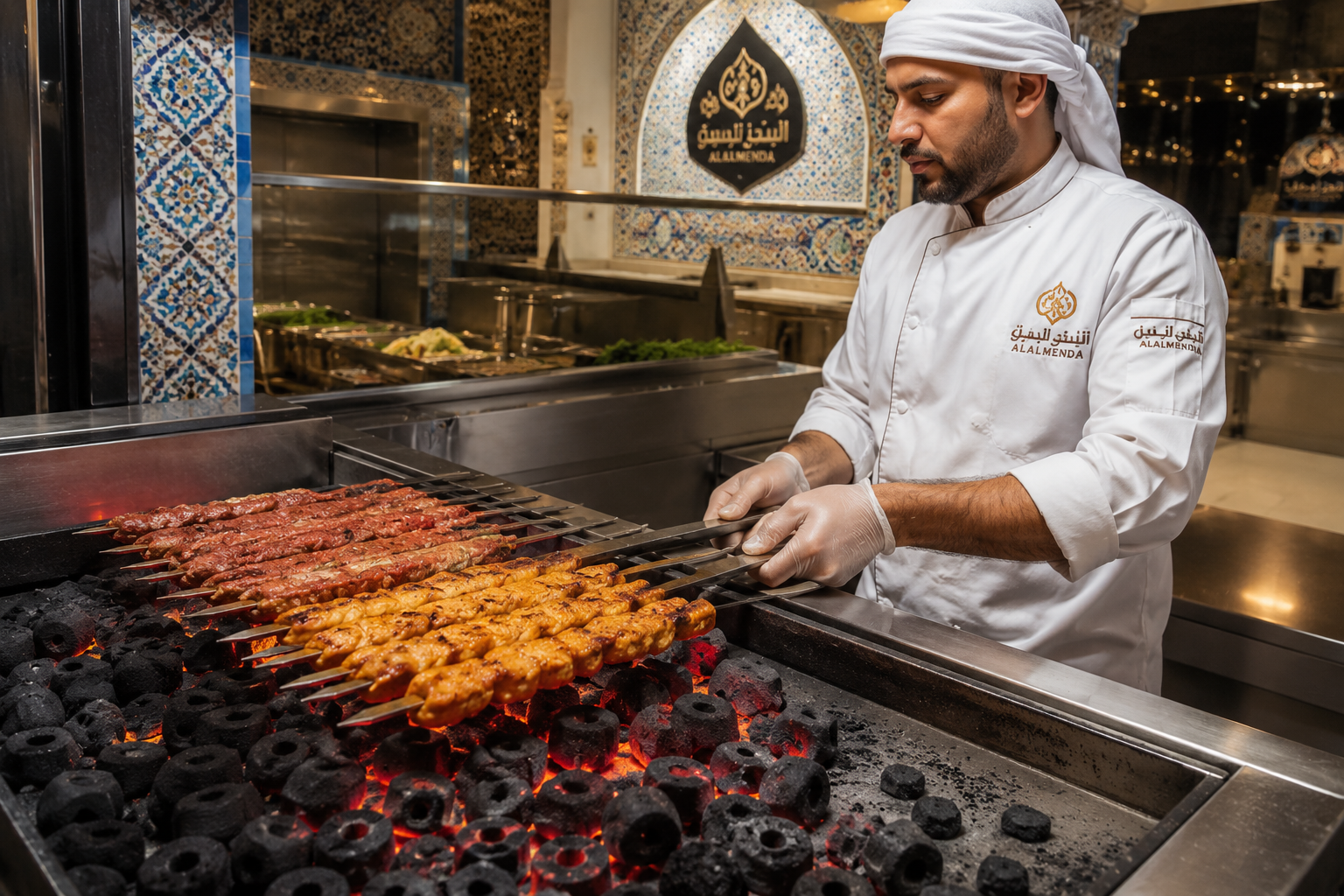
Moreover, the clean-burning nature of the product keeps the cooking environment pleasant for staff and customers. Consequently, restaurants can maintain high standards of hygiene and air quality effortlessly.
- Achieve consistent burning temperatures for up to three hours.
- Experience minimal ash production for easier cleaning routines.
- Reduce fuel consumption by using highly compressed carbon materials.
- Avoid sparks or sudden flame spikes during the grilling process.
- Ensure a neutral aroma that does not affect food flavor.
Operational Advantages in Commercial Environments
Using superior briquettes helps business owners maintain strict control over their operational costs. Because the product burns longer, the frequency of purchases decreases significantly over time.
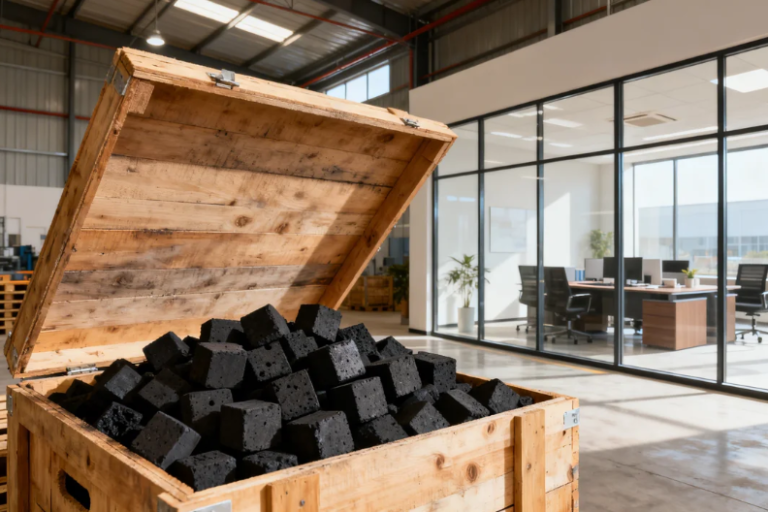
Besides that, storage becomes much more efficient due to the uniform shape and size of the briquettes. Staff members can easily stack them, which maximizes the available space in the pantry.
With this, kitchens operate more smoothly as the staff spends less time managing the fire. Reliability is a key factor for successful catering services and busy grill houses.
- Optimize kitchen workflows with standardized fuel sizes and shapes.
- Enhance safety in the workplace by reducing airborne particles.
- Improve cost-efficiency through long-lasting combustion cycles.
- Facilitate better inventory management with durable packaging solutions.
- Maintain superior taste quality for charcoal-grilled menu items.
Environmental Impact and Sustainability Efforts
Sustainability plays a vital role in modern consumer choices regarding fuel and energy. These briquettes represent a circular economy because they transform waste shells into valuable energy.
Also, the production does not require cutting down forests or destroying natural habitats. Therefore, choosing this product supports greener alternatives in the international fuel market.
Finally, the carbon footprint remains low compared to fossil fuel counterparts. Users contribute to a healthier planet by making conscious purchasing decisions for their businesses.
- Support the utilization of abundant agricultural byproduct resources.
- Reduce deforestation rates by choosing coconut-based charcoal alternatives.
- Minimize waste in coconut processing industries through upcycling practices.
- Promote eco-friendly energy solutions for both domestic and commercial use.
- Advance global sustainability goals through responsible supply chain choices.
Addressing Common Usage Challenges
Beginners might find lighting these bricks slightly more challenging than traditional charcoal. However, using a high-quality chimney starter will solve this issue very quickly.
Additionally, always ensure proper ventilation in the kitchen area during the initial ignition phase. Once the briquettes glow, they remain stable and ready for professional cooking tasks.
Lastly, keeping the bags sealed protects the briquettes from ambient moisture absorption. Dry conditions ensure that the product performs perfectly every single time it is used.
Frequently Asked Questions
How long do these briquettes typically burn?
They usually provide consistent heat for two to four hours depending on airflow.
Are there any chemicals involved in the binding process?
Manufacturers use only natural starch binders to hold the charcoal powder together safely.
Can I use these for indoor grilling?
Yes, but you must ensure excellent kitchen ventilation due to carbon monoxide release.
Why is there so little ash left?
The high purity of the carbon results in very efficient combustion and less debris.
Is the storage requirement very strict?
Keep the product in a dry, cool place away from humidity to prevent degradation.
Premium Coconut Briquette
Konsultasi GRATIS via WhatsApp: 081330309180