Finding the Best Eco Friendly Charcoal Supplier for Your Sustainable Business
Burning charcoal has been a part of human history for thousands of years. From cooking delicious meals to providing heat, it is a reliable energy source. However, in recent years, we have all become more aware of our impact on the planet. Traditional charcoal production often leads to deforestation and high carbon emissions. This is why the demand for an eco friendly charcoal supplier is higher than ever.
Choosing the right partner for your charcoal needs is not just about getting a good price. It is about ensuring that the products you use or sell align with modern environmental standards. In this article, we will explore why sustainable charcoal matters, what makes a supplier “eco-friendly,” and how you can identify the best partners in the global market.
Why the Shift to Eco-Friendly Charcoal Matters
When we talk about traditional charcoal, the story usually begins with cutting down old-growth forests. In many parts of the world, trees are felled specifically to be turned into charcoal. This destroys habitats and reduces the earth’s ability to absorb $CO_2$.
Eco-friendly charcoal changes the narrative. Instead of destroying forests, sustainable suppliers use waste materials or renewable resources. This shift is crucial for several reasons:
- Preserving Biodiversity: By using agricultural waste or fallen branches, suppliers protect the homes of countless species.
- Reducing Carbon Footprint: Sustainable production methods, such as modern carbonization, release fewer greenhouse gases compared to old-fashioned earth pits.
- Supporting Circular Economies: Many eco-friendly options come from the “leftovers” of other industries, such as coconut shells or sawdust, turning waste into value.
For businesses, switching to a green supplier also builds trust with customers. Modern consumers actively look for brands that care about the environment.
What Defines an Eco-Friendly Charcoal Supplier?
Not every company that claims to be “green” actually follows sustainable practices. To find a true eco friendly charcoal supplier, you need to look at three specific areas: the raw materials, the production process, and the social impact.
1. Sustainable Raw Materials
The best suppliers do not cut down living trees. Instead, they utilize:
- Coconut Shells: A byproduct of the food and oil industry. Since no trees are cut, this is one of the most sustainable options available.
- Bamboo: A fast-growing grass that regenerates quickly without needing pesticides.
- Agricultural Residue: Materials like corn cobs or fruit pits that would otherwise be burned as waste.
- FSC-Certified Wood: If they do use wood, it must come from forests managed responsibly according to the Forest Stewardship Council.
2. Clean Production Methods
How the charcoal is made is just as important as what it is made from. Traditional methods release thick, toxic smoke. A responsible supplier uses “retort” kilns or industrial carbonization units. These systems capture the gases released during the heating process. Often, they even recycle those gases to power the machines, creating a highly efficient loop.
3. Ethical Labor Practices
True sustainability includes people. A great supplier ensures that their workers have safe conditions, fair wages, and that the local community benefits from the business.
The Benefits of Using Eco-Friendly Charcoal
You might wonder if eco-friendly charcoal performs as well as the traditional kind. The answer is a resounding yes—and in many cases, it actually performs better.
Higher Heat and Longer Burn Time
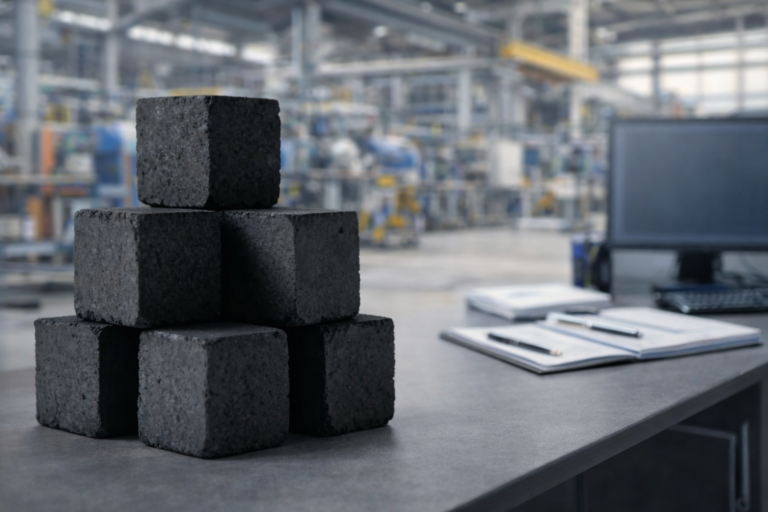
Take coconut shell charcoal briquettes as an example. Because they are highly compressed, they burn much longer than regular lump charcoal. You use less product to achieve the same result, which saves money in the long run.
Minimal Smoke and Odor
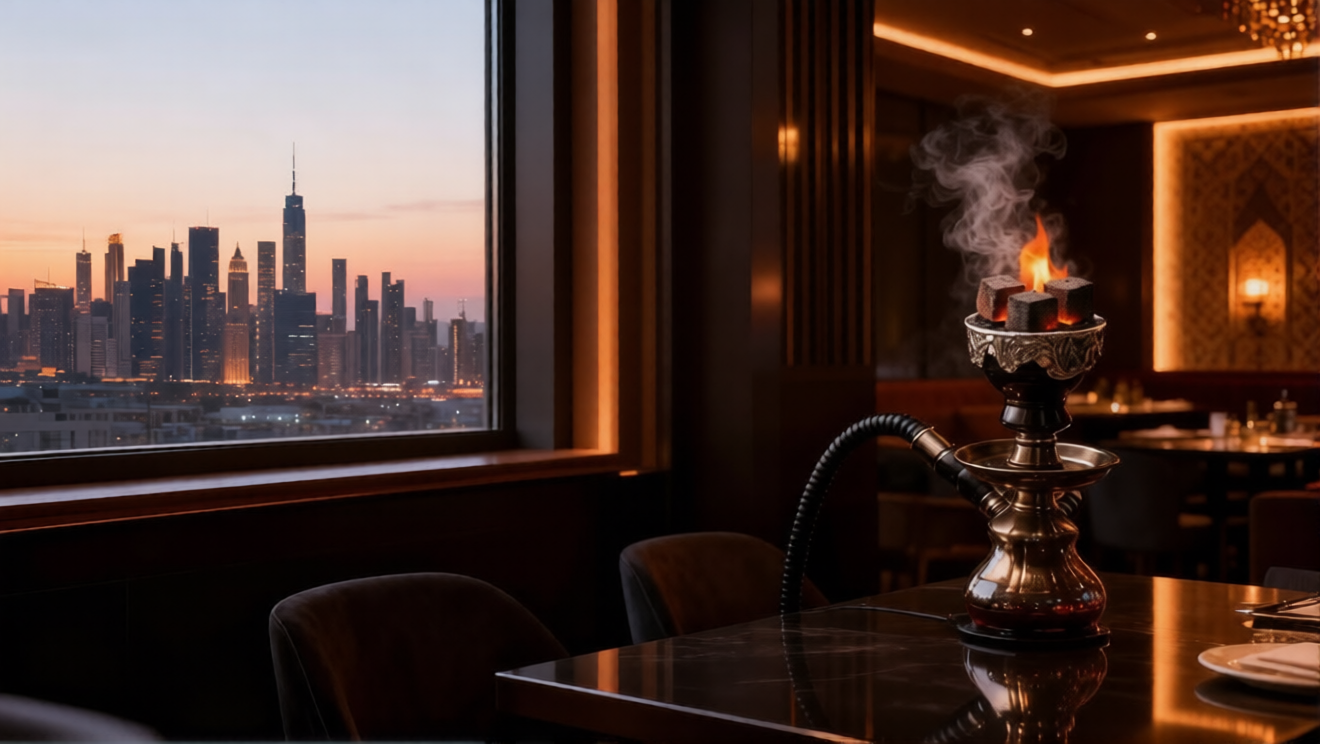
Eco-friendly options are usually very pure. This means they produce very little smoke and no unpleasant chemical smells. This is perfect for restaurants or indoor shisha lounges where air quality and flavor purity are essential.
Low Ash Content
Nobody likes cleaning up a mountain of ash. Sustainable briquettes typically leave behind less than 3-5% ash. This makes maintenance easier and ensures that most of what you pay for actually turns into heat.
How to Identify a Reliable Supplier
Finding a supplier online is easy, but finding a reliable one requires a bit of detective work. Here are the steps you should take to verify a potential partner:
- Ask for Certifications: Look for FSC certification or ISO standards for quality management. If they produce coconut charcoal, ask about their sourcing map.
- Request Samples: Never place a large order without testing the quality first. Check the ignition time, the heat level, and the ash color (white or light grey ash is usually a sign of high quality).
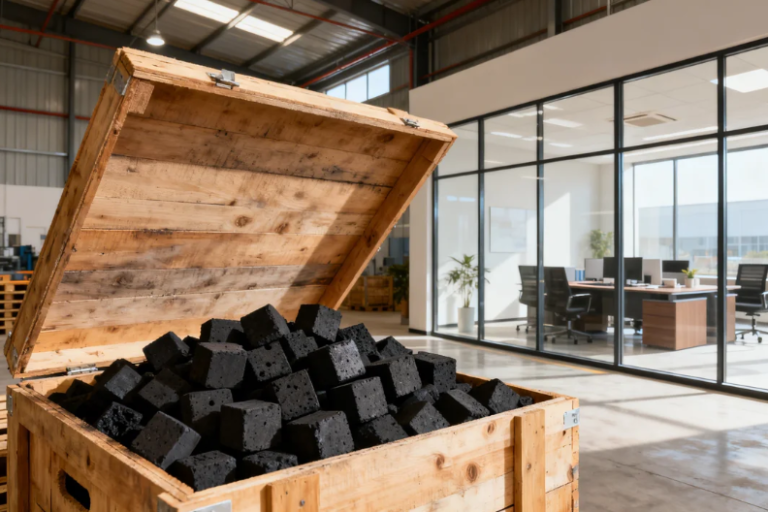
- Check the Packaging: A professional supplier offers high-quality packaging that protects the product from moisture. Moisture is the enemy of charcoal; if it gets damp, it won’t burn correctly.
- Communication Style: Does the supplier answer your technical questions quickly? A supplier who understands their product’s carbon content and moisture levels is usually more professional than one who only talks about price.
Global Trends in the Sustainable Charcoal Market
The world is moving away from coal and toward renewable biomass. Countries in Southeast Asia, particularly Indonesia, have become leaders in providing coconut-based eco-friendly charcoal. Meanwhile, European and North American markets are tightening regulations on wood-based products to prevent illegal logging.
As a buyer, staying ahead of these trends gives you a competitive advantage. By securing a partnership with an eco friendly charcoal supplier now, you protect your supply chain from future environmental taxes or bans on non-sustainable products.
Marketing Your Green Choice
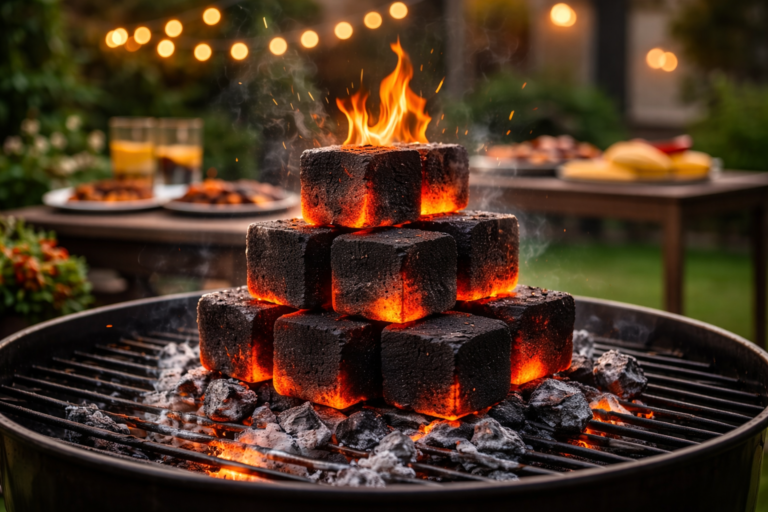
Once you have found your supplier, tell your customers about it! Whether you run a BBQ brand, a shisha cafe, or a retail store, your choice of sustainable charcoal is a powerful marketing tool.
- Use Social Media: Post videos showing the low smoke levels of your eco-friendly charcoal.
- Highlight the “No Trees Cut” Aspect: This is a very simple message that resonates with almost everyone.
- Eco-Friendly Packaging: Ensure your retail packaging is also recyclable or biodegradable to complete the “green” experience.
Common Misconceptions About Green Charcoal
“It’s Too Expensive”
While the price per kilogram might be slightly higher than low-quality lump charcoal, the efficiency makes it cheaper. Since it burns longer and hotter, you use fewer briquettes per session.
“It’s Hard to Light”
Some high-density eco-briquettes take a few minutes longer to light because they don’t contain chemical accelerants. However, using a simple charcoal chimney or an electric starter solves this easily and keeps the process chemical-free.
Conclusion
Switching to a sustainable energy source is one of the most impactful decisions a business can make today. An eco friendly charcoal supplier provides more than just a product; they provide a way to grow your business without harming the planet.
From the superior heat of coconut shells to the clean burn of bamboo, the options for green charcoal are expanding every day. By focusing on quality, transparency, and sustainable sourcing, you can provide a premium experience for your customers while contributing to a healthier, greener world.