Choosing the Best Fuel: Charcoal Briquette vs Wood
Selecting the right fuel source for outdoor cooking remains a crucial decision for many grill enthusiasts worldwide. When comparing charcoal briquette vs wood, users often evaluate factors like heat output, smoke generation, and overall convenience. Indeed, each fuel type offers distinct advantages that cater to different cooking styles and sensory preferences. Consequently, you must understand these differences before buying a premium charcoal briquette.
Heat Performance and Burning Duration
Modern cooking enthusiasts require highly consistent heat levels to prepare their food perfectly. However, traditional firewood often burns too quickly and produces unpredictable temperature spikes during the cooking process. Therefore, manufactured blocks provide a much steadier heat profile for long barbecue sessions.
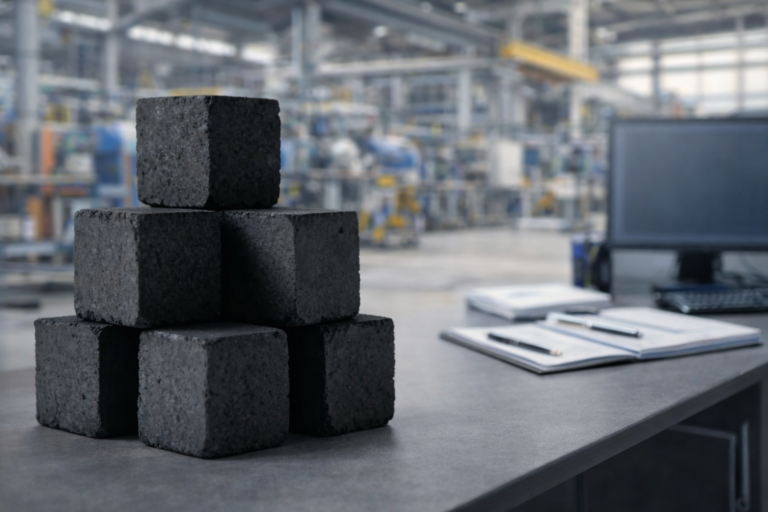
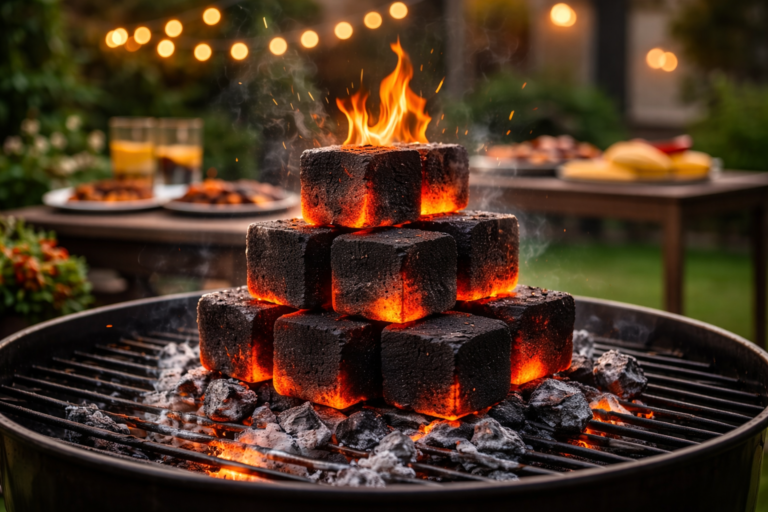
These compressed alternatives generate intense heat that lasts for several hours without constant monitoring. Additionally, you do not need to replenish the fuel bed frequently during slow-cooking tasks. Thus, outdoor chefs prefer this reliable energy source for smoking large cuts of meat.
- Consistent heat levels improve cooking precision.
- Extended burn times reduce overall fuel consumption.
- Lower ash production simplifies the cleanup process afterwards.
Environmental Impact and Sustainability
Ecological concerns influence many purchasing decisions in the modern consumer market today. For example, harvesting natural firewood often contributes to deforestation and destroys vital forest ecosystems. Consequently, eco-conscious consumers actively seek alternative energy solutions that protect our global forests.
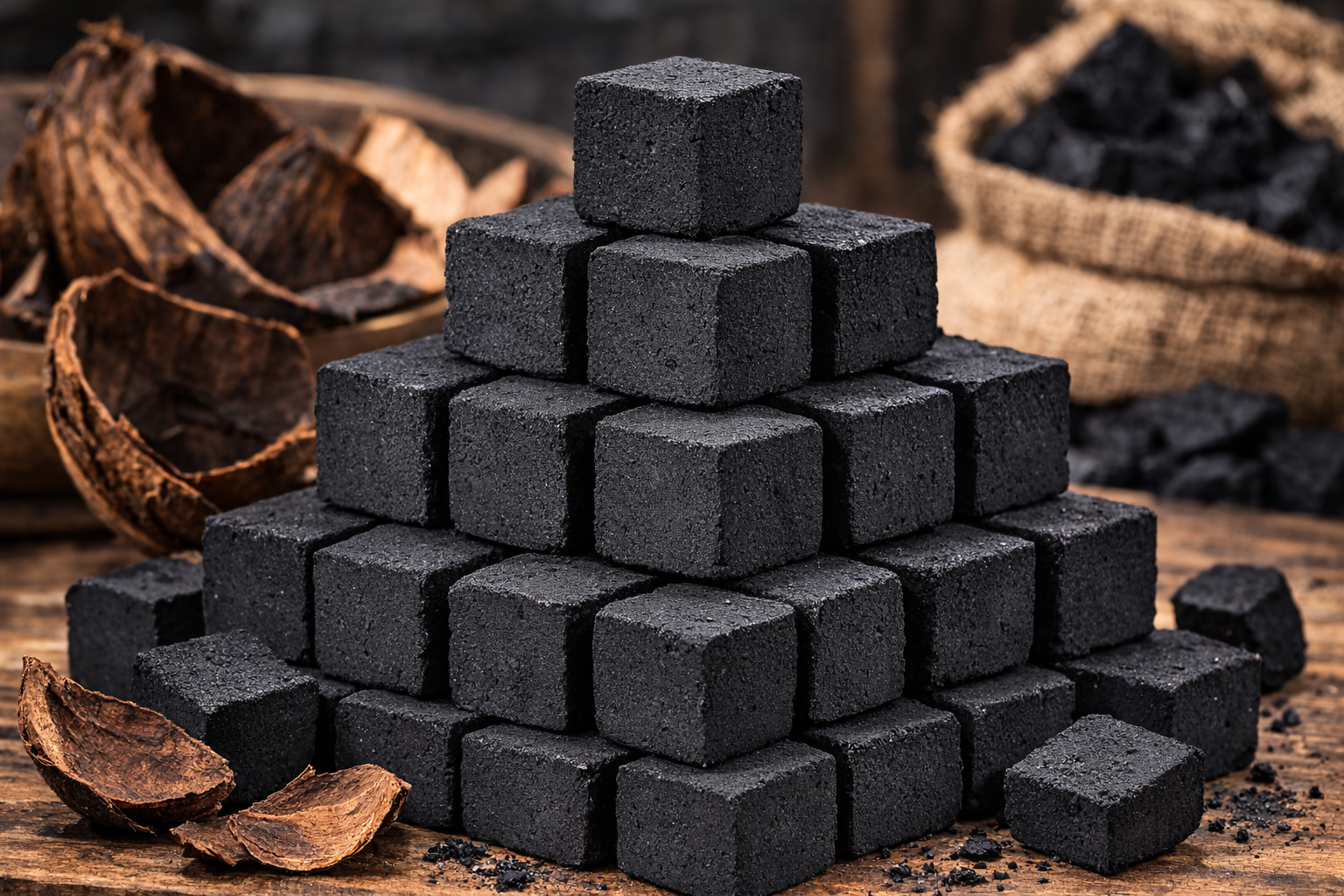
In contrast, many premium briquettes utilize agricultural waste products like discarded coconut shells. Furthermore, this manufacturing process prevents organic waste from rotting in landfills and releasing methane. Therefore, you can enjoy your grilling sessions while significantly reducing your ecological footprint.
- Utilizing agricultural waste saves natural trees.
- Carbon emissions remain low during the burning process.
- Sustainable production methods support green local industries.
Practical Usage and Storage Convenience
Convenience plays a vital role in determining which fuel fits your busy lifestyle best. However, bulky wood logs require significant storage space and must stay completely dry to burn. Thus, homeowners with limited backyard space find storing large wood piles highly impractical.
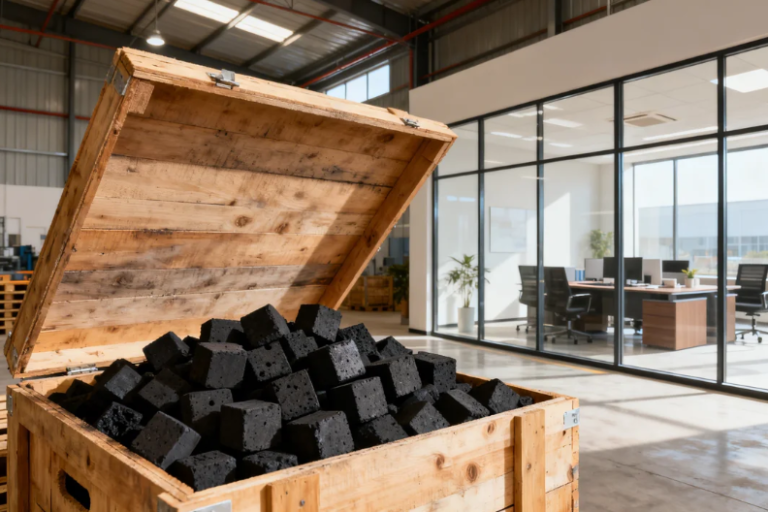
Conversely, compact fuel blocks come in neat, stackable boxes that fit easily into small cupboards. Moreover, these uniform shapes allow for efficient space utilization in your garage or pantry. Consequently, you can store a large quantity of fuel without creating a messy environment.
- Uniform sizes facilitate easy temperature regulation.
- Moisture-resistant packaging ensures a longer shelf life.
- Compact designs simplify transport for camping trips.
Cost Efficiency and Market Value
Smart buyers always analyze the long-term financial aspects of their heating choices. Obviously, buying high-quality firewood can become quite expensive during peak winter seasons or dry periods. Therefore, switching to compressed alternatives often helps you save a substantial amount of money.
Furthermore, the slow burn rate of manufactured fuel ensures that each piece lasts much longer. As a result, you buy less fuel over time while achieving the same culinary results. Indeed, this high efficiency makes compressed options highly attractive for commercial barbecue restaurants.
- High energy density provides better value per pound.
- Predictable burning times prevent unnecessary fuel waste.
- Bulk purchasing options reduce single-unit costs dramatically.
Smoke Production and Flavor Profile
The flavor of your grilled meat depends heavily on the type of smoke generated during cooking. However, wet firewood produces excessive soot and heavy smoke that can ruin delicate food flavors. Therefore, clean-burning alternatives are essential for maintaining the natural taste of your premium ingredients.
Moreover, manufactured fuel blocks burn with minimal smoke, creating a healthier environment for your family. Consequently, you will experience less eye irritation and breathing discomfort while standing near the grill. Thus, clean combustion enhances both the cooking experience and the final food quality.
- Reduced smoke levels prevent bitter food flavors.
- Minimal soot keeps your grilling equipment clean.
- Odorless heat allows natural spices to shine.
Safety Factors and Fire Control
Managing an open fire safely requires continuous attention and proper equipment. Unfortunately, natural logs often crackle and pop, throwing dangerous sparks onto dry grass or wooden decks. Therefore, users must exercise extreme caution when burning raw wood in residential areas.
In contrast, compressed briquettes burn steadily without sudden pops or unpredictable flare-ups. Furthermore, you can control the air intake of your grill easily to adjust the heat output. Consequently, this predictable behavior minimizes the risk of accidental fires and burn injuries.
- Spark-free burning protects nearby flammable materials.
- Stable combustion reduces the risk of flare-ups.
- Controlled heating prevents food from burning quickly.
Ash Disposal and Cleaning Efficiency
Cleaning up after a long cooking session can become a tedious chore. However, raw timber produces large volumes of dense ash that requires careful removal. Thus, busy cooks often waste valuable time scraping dirty grills instead of relaxing.
Conversely, premium compressed products leave a very small percentage of fine powder behind. Moreover, this clean residue does not stick to the internal metal surfaces of your cooker. Therefore, you can easily sweep away the remaining dust in just a few seconds.
- Low ash production keeps grill vents clear.
- Fine residue simplifies the weekly maintenance routine.
- Non-sticky waste prevents heavy grease buildup inside.
Ignition Methods and Quick Start Techniques
Starting a fire quickly remains one of the most frustrating parts of outdoor barbecues. Indeed, thick logs require dry kindling, paper, and plenty of patience to catch fire properly. Consequently, hungry guests must wait a long time before the cooking even begins.
In comparison, modern compressed cubes ignite quickly when you use a simple chimney starter. Furthermore, they reach their peak cooking temperature within twenty minutes of ignition. Thus, you can start grilling your favorite meals almost immediately without hassle.
- Rapid ignition saves valuable cooking preparation time.
- Chimney starters eliminate the need for chemical fluids.
- Even lighting ensures balanced heat from the start.
Industrial and Commercial Applications
Large restaurants require reliable fuel sources that can sustain constant, high-volume cooking demands. However, fluctuating wood quality can negatively affect the consistency of commercial dishes. Therefore, professional chefs seek standardized fuel options to maintain strict culinary standards.
Additionally, uniform blocks burn at predictable rates, helping managers calculate fuel costs accurately. Consequently, commercial kitchens can optimize their inventory without worrying about sudden shortages. Thus, industrial operations benefit greatly from adopting efficient, manufactured heat products.
- Standardized sizes streamline kitchen inventory management routines.
- Reliable burn rates ensure consistent serving times.
- Lower storage requirements maximize valuable restaurant floor space.
Chemical Composition and Purity
Chemical additives in fuel can severely compromise the taste and safety of your food. However, cheap wood products sometimes contain sap, resin, or chemical treatments from manufacturing. Thus, consumers must select their cooking fuel carefully to prevent consuming toxins.
Moreover, premium compressed products use organic binders with zero harmful chemical additives. Furthermore, this natural composition guarantees that no toxic fumes penetrate your cooking ingredients. Consequently, you can serve healthy meals to your guests with complete confidence.
- Organic binders prevent chemical smoke contamination risks.
- Natural ingredients guarantee pure, toxin-free food flavors.
- No artificial chemical binders protect long-term human health.
Moisture Content and Heat Loss
High moisture levels in fuel always reduce heating efficiency during the combustion process. Indeed, green logs contain substantial water content that must evaporate before heat is produced. Therefore, wet timber burns very poorly and wastes massive amounts of thermal energy.
In contrast, manufactured fuel blocks undergo heavy drying processes to minimize water content. Furthermore, this low moisture level ensures immediate heat generation and constant high temperatures. Thus, you get maximum energy value from every single piece of fuel.
- Minimal moisture levels facilitate quick heat generation processes.
- Dry fuels prevent energy loss through steam evaporation.
- Low water content ensures highly predictable burning times.
Frequently Asked Questions
Choosing the right fuel depends on your specific cooking requirements and flavor expectations. However, many users still feel confused about making the ultimate cooking decision. Therefore, we compiled these common questions to help clarify your purchasing path.
- Which fuel burns longer during heavy smoking sessions?
- How can you store compressed blocks safely indoors?
- What makes coconut shells more eco-friendly than timber?
Premium Coconut Briquette
Konsultasi GRATIS via WhatsApp: 081330309180
Website: https://premiumcoconutbriquette.com/