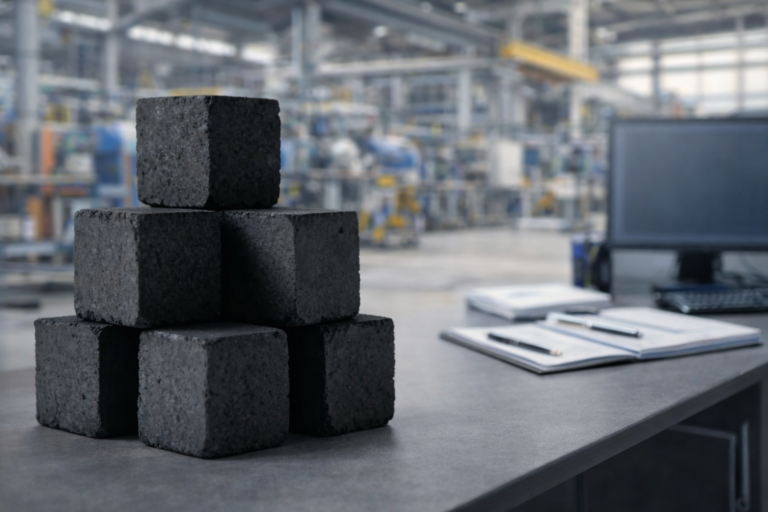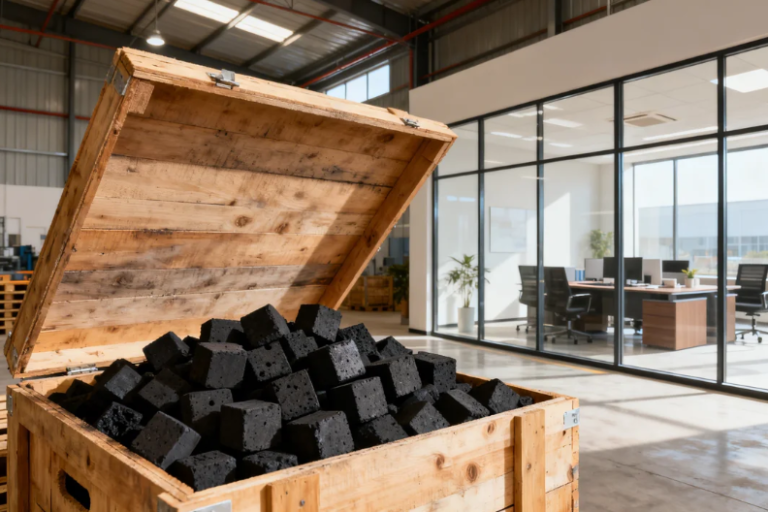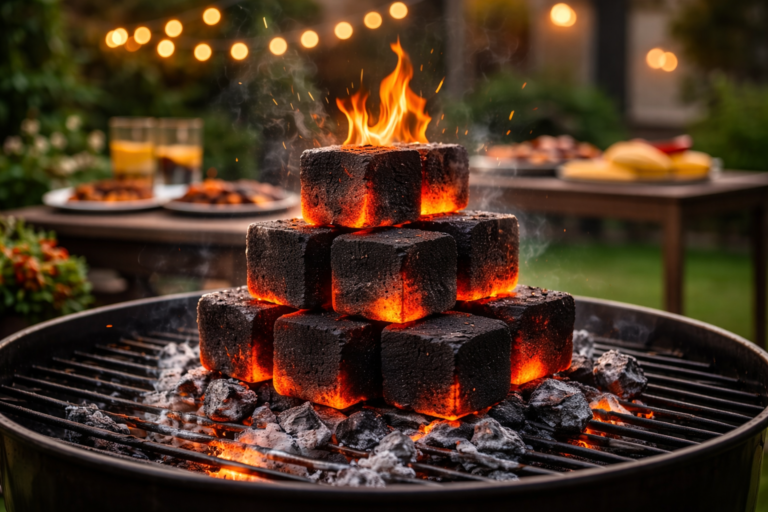
Grilling Coconut Briquette offers a remarkable solution for discerning chefs. It provides unmatched heat stability during extended cooking sessions. Many professionals now rely on Grilling Coconut Briquette for their daily outdoor kitchen operations. The fuel consistently delivers restaurant-quality results every single time.
Understanding the Core Benefits of Grilling Coconut Briquette
Grilling Coconut Briquette produces significantly higher heat compared to standard lump charcoal. Therefore, you can sear steaks perfectly at over 800 degrees Fahrenheit. The dense composition ensures a prolonged burning life.
Furthermore, this fuel type creates minimal ash during and after cooking. Consequently, your cleanup process becomes remarkably fast and effortless. Chefs appreciate the consistent sizing of each briquette piece.
In addition, Grilling Coconut Briquette remains completely odorless and neutral. It will never alter the delicate flavor of your expensive ingredients. The pure, natural smoke enhances the food’s authentic taste beautifully.
Selecting Premium Grilling Coconut Briquette for Your Needs
Not all coconut briquettes deliver the same professional performance. You must identify products made from 100% pure coconut shell charcoal. Moreover, the best manufacturers use only natural starch binders for a clean burn.
Look for low moisture content when evaluating suppliers. Meanwhile, inspect the physical density and uniform hexagonal pillow shape. These indicators guarantee a reliable and intense grilling experience every time.
- First, verify that the product packaging states an ash content below 2.5 percent for minimal residue.
- Furthermore, check the calorific value specification to confirm high energy efficiency levels.
- In addition, request a sample to test the ignition time and long-lasting ember stability firsthand.
- Therefore, select a supplier with consistent export quality and transparent material sourcing.
- Consequently, build a partnership that secures your bulk supply for demanding barbecue events.
Mastering the Art of Lighting Grilling Coconut Briquette
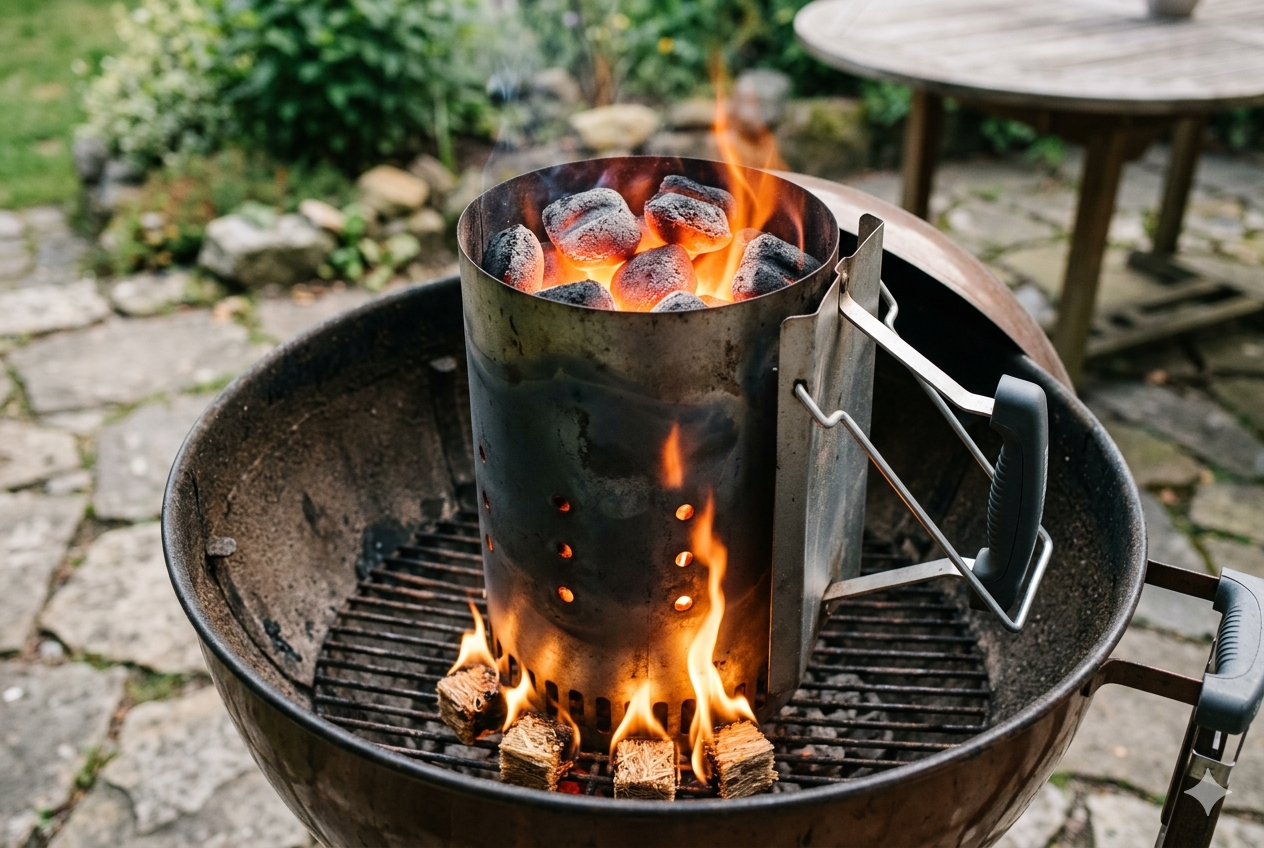
Grilling Coconut Briquette requires a specific lighting technique for optimal results. First, arrange the briquettes in a chimney starter filled to the top. Next, place natural firelighters underneath the starter’s grate securely.
You should allow the flames to engulf the bottom layer completely. Meanwhile, watch for a thin, white ash coating to form on the surface edges. This indicates the fuel has reached its ideal cooking temperature rapidly.
However, never use chemical lighter fluids on these premium natural briquettes. The liquid can leave an unpleasant aftertaste on your grilled food. Instead, always rely on an electric starter or a clean chimney method for purity.
Optimizing Airflow for Grilling Coconut Briquette Performance
Professional outdoor cooking demands precise control over airflow dynamics. Grilling Coconut Briquette reacts instantly to changes in oxygen supply. Therefore, you can easily create intense direct heat zones for searing meat.
Furthermore, adjust your grill’s bottom and top vents to manage indirect convection heat. A wide-open vent configuration maximizes the briquette burn rate fiercely. Conversely, a partially closed setup extends the fuel life for slow-smoking sessions.
Consequently, mastering this ventilation balance prevents dangerous temperature flare-ups quickly. Regular monitoring of the built-in grill thermometer remains essential. The dense briquette structure holds a steady core temperature remarkably well.
Essential Maintenance and Safety Practices During Use
Grilling Coconut Briquette operates safely when you follow core precautionary measures. Always position your grill on a stable, non-flammable surface away from structures. Additionally, keep a fire extinguisher or a bucket of sand extremely close by.
You must manage the spent ash responsibly after the session concludes. Let the residual embers cool down completely inside the closed grill. Subsequently, transfer the completely cold white ash into a designated metal disposal container.
Moreover, store your unused briquettes in a dry and sealed environment. Moisture absorption severely degrades the ignition quality and burn efficiency. Proper storage protects your investment and ensures consistent grilling results.
- Subsequently, wear heat-resistant gloves whenever you adjust hot cooking grates or add fresh fuel.
- Accordingly, clean the ash catcher drawer before every new cooking session to maintain smooth oxygen flow.
- Thereafter, inspect the grill lid thermometer for accuracy as part of your routine equipment check.
- Above all, educate your entire kitchen team about these standardized safety protocols.
Executing Two-Zone Cooking with Grilling Coconut Briquette
Two-zone cooking represents a fundamental skill for professional outdoor chefs. Grilling Coconut Briquette excels in this setup due to its concentrated heat output. First, pile the ignited briquettes deeply onto one half of the charcoal grate only.
Consequently, this arrangement creates a blistering hot direct zone for caramelizing meat. The empty side functions as a cool indirect zone for gentle finishing heat. You can then reverse-sear thick tomahawk steaks with absolute precision.
Furthermore, use this method to cook multiple menu items at different temperatures simultaneously. Move chicken thighs to the indirect side if the skin chars too quickly. This level of control transforms your backyard kitchen into a professional workstation easily.
Achieving Perfect Smoked Flavors with Minimal Acridness
Grilling Coconut Briquette burns remarkably clean and generates almost no heavy, white smoke. This characteristic prevents that bitter, acrid taste that often ruins delicate proteins. Therefore, your food tastes of pure fire and subtle sweet wood nuances only.
You can amplify the aroma by adding soaked hardwood chunks directly onto the embers. However, the base fuel itself remains the star with its neutral thermal energy. Mesquite, apple, or hickory wood pairs flawlessly without conflicting chemical undertones.
Meanwhile, maintain a pale blue smoke stream for the cleanest flavor profile. A thick, billowing cloud usually signals incomplete combustion or dirty fuel. Grilling Coconut Briquette helps avoid this issue through exceptionally efficient carbonization.
Comparing Cost Efficiency in a Professional Environment
Chefs must analyze the long-term operational costs of their fuel choices. Grilling Coconut Briquette initially appears more expensive than some commercial charcoals. However, the extended burn duration radically reduces the total volume you need.
Furthermore, one batch of these dense briquettes often lasts twice as long as briquette alternatives. The high heat output also shortens the overall cooking time for various menu items. Consequently, your restaurant saves significant money on labor and fuel replenishment.
In addition, the low ash production cuts down on end-of-service cleaning labor hours. Staff can focus on food preparation instead of scrubbing heavy residue. Therefore, the investment in premium fuel yields substantial operational savings over time.
Environmental Responsibility and Sustainable Sourcing
Modern culinary leaders actively seek sustainable methods for outdoor cooking processes. Grilling Coconut Briquette utilizes recycled coconut shells that would otherwise become agricultural waste. Therefore, you effectively transform a discarded byproduct into premium renewable energy.
Moreover, the production process generally involves carbonization in controlled, low-emission kilns. Reputable manufacturers follow strict reforestation and community engagement programs. This ecological cycle supports green business certification for your restaurant brand appealingly.
Meanwhile, the clean smoke reduces the release of volatile organic compounds into the atmosphere. You cook with a clear conscience about your carbon footprint. Clients increasingly inquire about the sustainable origins of your grilled specialties.
Addressing Common Challenges and Troubleshooting Tips
Even proven fuels present occasional challenges in specific weather conditions. Grilling Coconut Briquette can struggle to ignite quickly in extremely humid air. Therefore, always pre-warm the chimney starter with a bit of dry kindling first.
Sometimes, the dense fuel settles and restricts the oxygen micro-channels. Consequently, gently tapping the grill grate re-establishes the necessary airflow spaces. Never dump a fresh unlit chimney onto a depleted bed of ash residue.
Furthermore, direct wind gusts hitting the intake vent can overheat the fire dangerously. Rotate the vent opening away from the prevailing wind direction immediately. This small adjustment prevents burning your expensive proteins unexpectedly.
FAQ: Deepening Your Grilling Coconut Briquette Knowledge
Can I reuse partially burned Grilling Coconut Briquette for another session? Yes, you can easily achieve this. Close all vents completely to suffocate the embers quickly. The remaining solid charcoal pieces relight perfectly for your next cook.
Does Grilling Coconut Briquette work efficiently in ceramic kamado grills? Absolutely, it performs exceptionally well in kamados. The high density and low ash suit the restricted airflow environment beautifully. Therefore, you can maintain precise low temperatures for 18 hours uninterrupted.
Is there a specific way to arrange the briquettes for a perfect pizza bake? Arrange the ignited coals in a C-shape at the back of the oven. Position the pizza stone in the center for optimal radiant heat distribution. Consequently, your crust bakes evenly with a beautifully charred leopard-spot bottom.
How do I ensure the briquettes do not impart any coconut taste? The industrial carbonization process completely neutralizes all volatile oils. The final product contains pure fixed carbon with zero residual flavor. It simply delivers clean, radiant heat energy to your food.
Premium Coconut Briquette
Free Consultation via WhatsApp: 081330309180