Essential Strategies for Successful Bulk Coconut Charcoal Export Operations
The global demand for high-quality sustainable fuel sources continues to rise steadily across international markets today. Consequently, companies involved in the Bulk coconut charcoal export sector must maintain strict quality control standards to satisfy discerning industrial clients worldwide. Establishing a reliable supply chain requires careful planning, logistical expertise, and a deep understanding of international trade regulations to ensure seamless delivery. Businesses seeking to scale their operations often rely on Bulk coconut charcoal as a primary resource for their energy needs. Furthermore, sustainable sourcing practices and efficient manufacturing processes remain essential for achieving long-term profitability within this competitive industry.
Superior Raw Material Selection and Processing
Quality begins with the selection of premium coconut shells gathered from mature palms. Manufacturers must ensure these shells are free from impurities before the carbonization process begins.
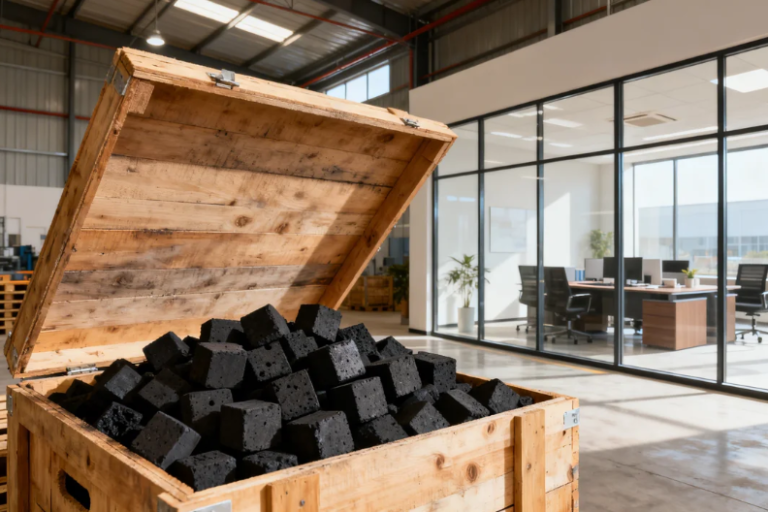
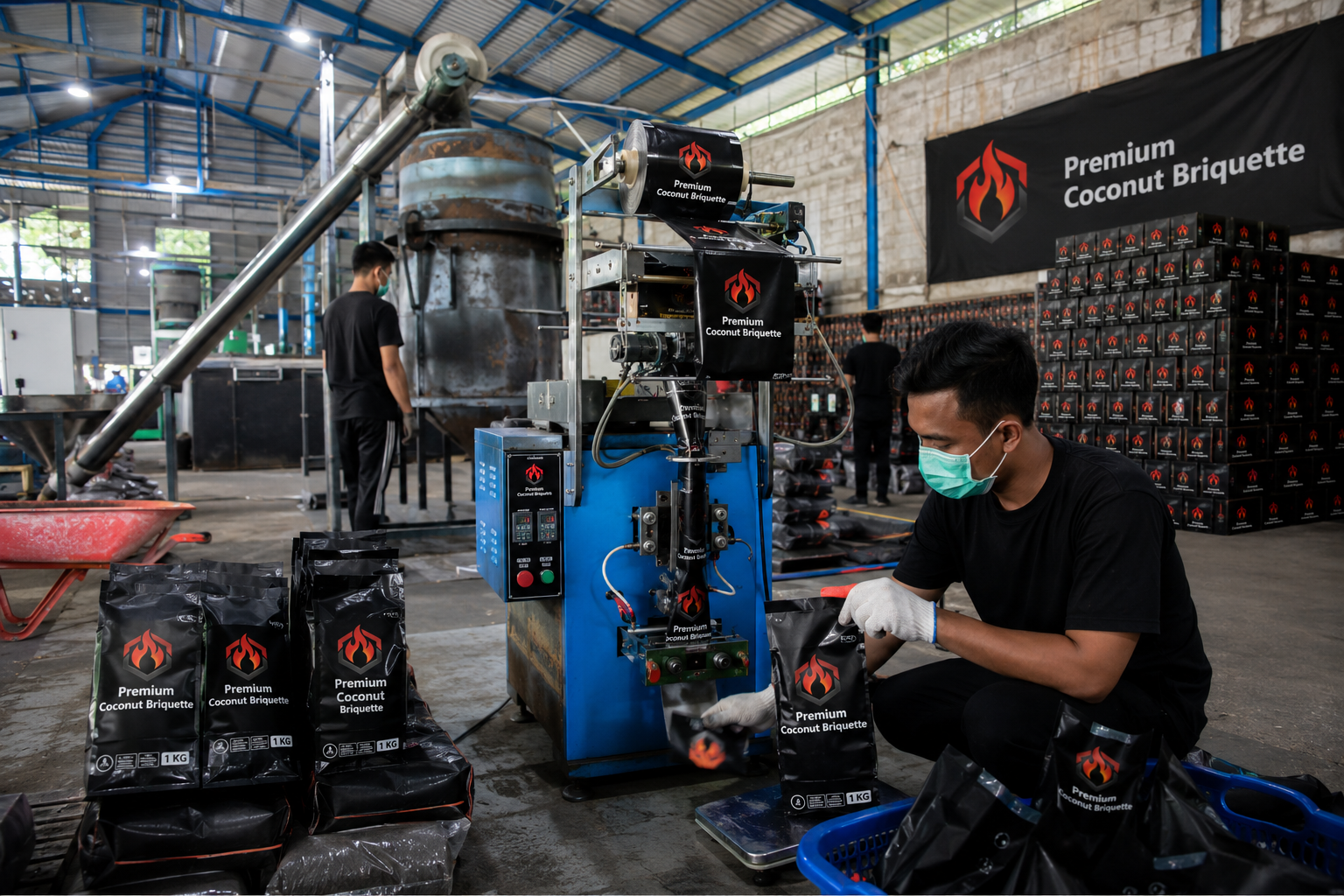
In addition, advanced machinery plays a vital role in refining the charcoal into consistent briquettes. Consistent heating levels during production determine the final burn time and ash content.
Therefore, experts prioritize selecting raw materials that produce high-density fuel. This approach guarantees that the end product meets the rigorous specifications required by international buyers.
- Select only mature coconut shells for higher carbon density.
- Implement clean carbonization methods to reduce harmful smoke emissions.
- Use automated crushing equipment to maintain uniform particle sizes.
- Monitor moisture levels throughout the entire drying phase carefully.
- Remove mineral contaminants to improve the overall heating efficiency.
Global Logistics and Maritime Shipping Standards
Shipping bulk goods across oceans requires precise coordination to prevent damage during long transit times. Moisture control acts as the most critical factor for maintaining product integrity inside containers.
Besides this, shipping lines often impose strict safety regulations regarding the handling of charcoal products. Exporters must provide comprehensive documentation to comply with international maritime safety codes for fire prevention.
Hence, partnering with reliable freight forwarders ensures that your cargo reaches its destination on schedule. Proper ventilation within the container prevents potential overheating during tropical maritime passages.
- Utilize high-grade moisture-proof liners for all shipping containers.
- Verify that all cargo holds comply with international safety regulations.
- Coordinate with specialized logistics firms experienced in solid fuels.
- Prepare accurate bills of lading to avoid delays at customs.
- Implement real-time tracking to monitor the temperature during transit.
Strategic Market Compliance and Certification
Different countries enforce unique regulations regarding the import of charcoal-based energy products for various industries. Exporters must secure necessary certifications to prove their products meet environmental and safety benchmarks.
Moreover, building long-term relationships with international distributors hinges on complete transparency. Providing detailed laboratory analysis reports helps build trust with potential wholesale buyers in overseas markets.
Consequently, staying updated with global trade trends allows businesses to adjust their strategies accordingly. Proactive compliance protects your brand reputation while expanding your footprint in the competitive energy sector.
- Obtain ISO certifications to validate your manufacturing quality standards.
- Provide material safety data sheets for all international shipments.
- Conduct regular third-party lab testing to ensure consistent quality.
- Follow local agricultural export laws to streamline customs processing.
- Maintain transparent communication regarding production capacities and timelines.
Understanding Global Industrial Fuel Applications
The versatility of coconut charcoal allows it to serve multiple industrial sectors beyond simple heating applications. Many businesses incorporate this product into their filtration systems and specialized metallurgical processes effectively.
However, the performance characteristics of the charcoal must match the specific machinery used by the end-user. Detailed technical consultations allow exporters to offer customized briquette shapes for various client needs.
In short, understanding the end-use application leads to stronger client retention and recurring orders. Tailored solutions provide a competitive advantage in a market crowded with generic fuel suppliers.
- Customize briquette sizes for specific industrial furnace dimensions.
- Highlight the eco-friendly nature of coconut fuel to green-conscious buyers.
- Provide energy density data to demonstrate cost-effectiveness for factories.
- Offer technical support to maximize the combustion efficiency of clients.
- Focus on low-smoke formulas to meet stricter local air regulations.
Effective Risk Management in International Trade
Managing financial risks remains essential when dealing with large volumes of export goods across international borders. Secure payment terms prevent liquidity issues during the production and shipping phases of trade.
Besides, currency fluctuations can significantly impact profit margins if not managed through proper financial hedging. Exporters should maintain clear agreements regarding price adjustments linked to raw material cost changes.
Therefore, success in this industry requires a combination of technical product knowledge and financial intelligence. Establishing robust legal contracts protects both the buyer and the supplier during every transaction.
- Use letters of credit to guarantee secure international payments.
- Draft clear contracts that specify delivery timelines and penalties.
- Insure all cargo against loss or damage during oceanic transit.
- Maintain reserves to buffer against sudden raw material price hikes.
- Conduct thorough background checks on all new international business partners.
Frequently Asked Questions
What is the standard moisture content for charcoal exports?
Most international buyers expect a moisture content below ten percent for optimal fuel performance.
How long does typical sea freight take for international shipping?
Transit times usually range from twenty to forty days depending on the specific destination port.
Is it necessary to have specific export permits?
Yes, you must obtain local agricultural and customs clearance permits before initiating any shipment.
How do I ensure the charcoal stays dry during transit?
We recommend using high-quality desiccant bags and moisture-resistant container liners to prevent humidity damage.
Premium Coconut Briquette
Konsultasi GRATIS via WhatsApp: 081330309180