Why Export Quality Briquettes Are the Ultimate Choice for Global Markets
When we talk about sustainable energy, one product is currently taking the world by storm: the coconut shell briquette. If you are looking for the best fuel for shisha or a professional BBQ setup, you have likely heard the term “export quality” more than once. But what does it actually mean, and why is everyone looking for it?
In this article, we will explore why Premium Briquettes are superior, how manufacturers produce them, and why they are the preferred choice for international buyers. If you want to understand why these small blocks of charcoal are so valuable, you are in the right place.
The Secret Behind Export Quality
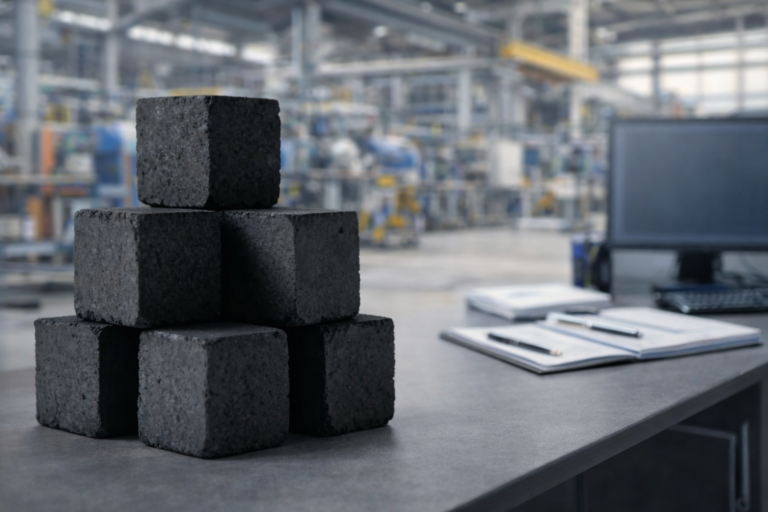
Not all charcoal is equal. Standard charcoal might spark, produce a lot of smoke, or crumble easily. On the other hand, export quality briquettes must meet very strict international standards. These standards ensure that the product is safe, efficient, and clean.
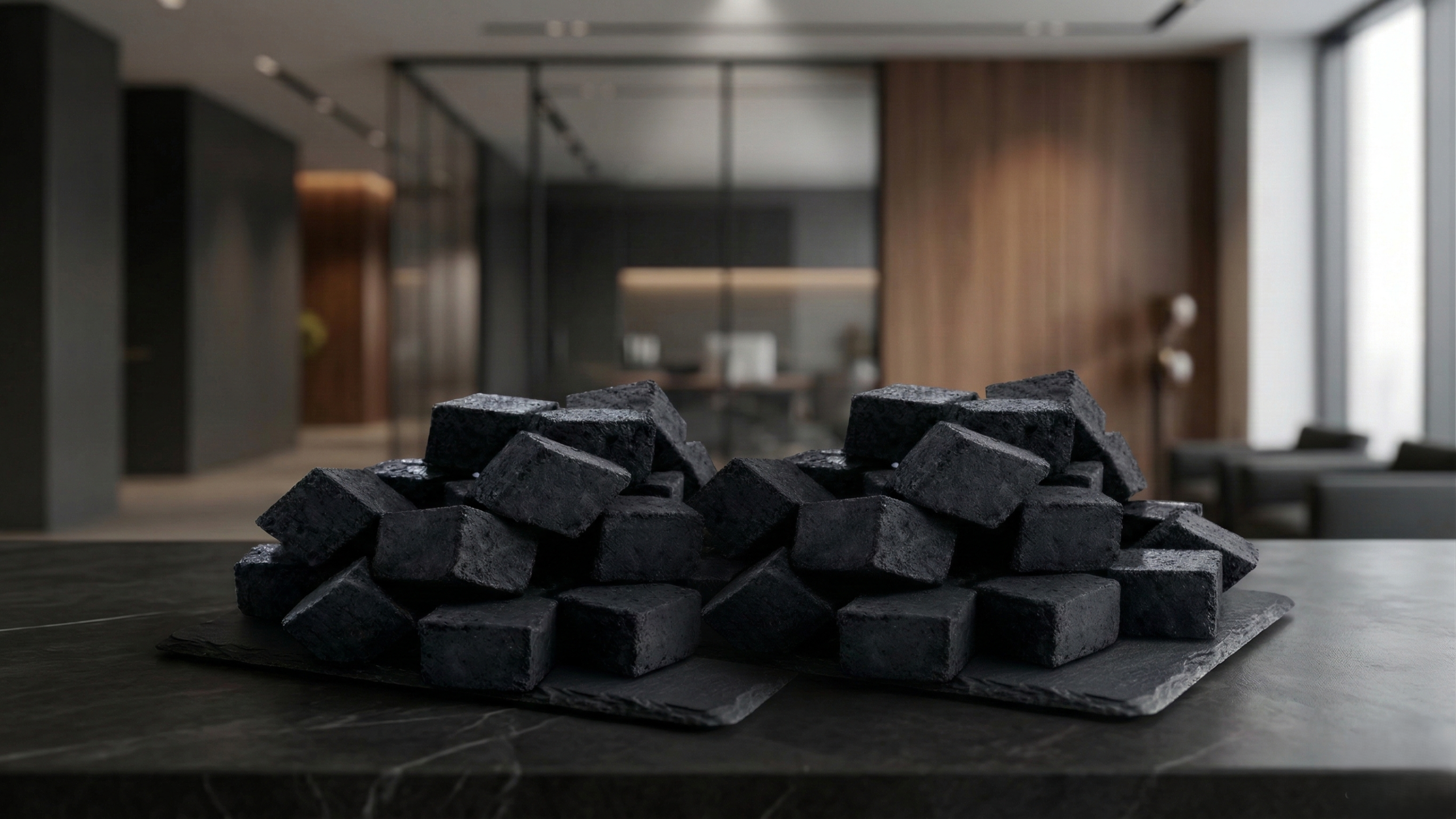
The primary material for high-end briquettes is 100% natural coconut shells. Suppliers collect these shells from local farmers, clean them, and process them into carbonized charcoal. The “export quality” label usually means the product has a high fixed carbon content, low ash, and a very long burning time.
Why Do People Prefer Coconut Briquettes Over Wood Charcoal?
You might wonder why users prefer coconut shells over traditional wood. The answer lies in the efficiency and the environment.
- Eco-Friendly Production: No trees are cut down to make these briquettes. We use agricultural waste (coconut shells) that would otherwise become trash.
- Odors and Smoke: Premium briquettes produce almost no smoke and zero odors. This is vital for shisha users who want to taste the flavor of the tobacco, not the charcoal.
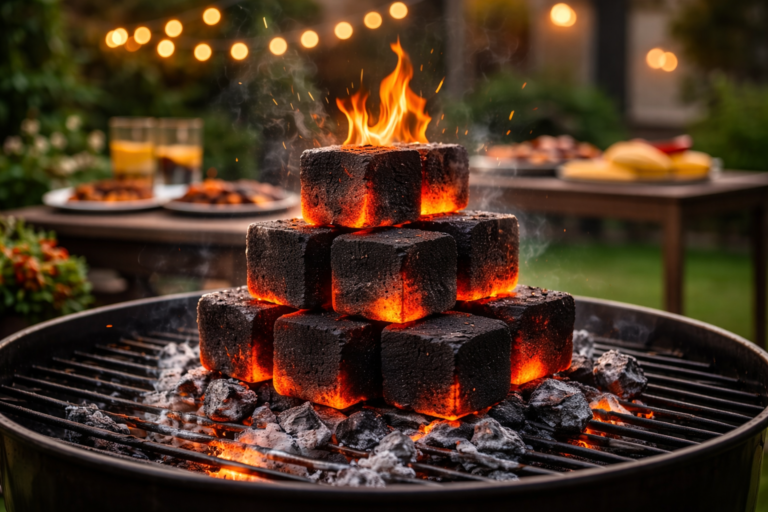
- Consistent Heat: Wood charcoal burns out quickly. A high-quality coconut briquette can stay hot for up to 2 hours, providing a steady temperature for cooking or smoking.
How Manufacturers Produce Premium Briquettes
Creating a product that satisfies global buyers requires a detailed and disciplined process. It is not just about pressing charcoal into cubes; it is a science.
1. Selection and Cleaning
The process starts with choosing the right shells. Old, dry shells work best because they have less moisture. Workers clean the shells to remove soil, hair, and dust. This step is crucial because any dirt left behind will increase the ash content later.
2. Carbonization
The shells go into a drum or a pit for carbonization. This turns the shells into black charcoal. In a professional factory, this happens in a controlled environment to ensure the charcoal doesn’t turn into ash.
3. Crushing and Mixing
Once the charcoal is ready, machines crush it into a very fine powder. To hold the powder together, manufacturers add a natural binder, usually tapioca starch. High-quality producers keep the binder percentage very low (around 3% to 5%) to ensure the heat remains intense.
4. Molding and Drying
The mixture goes into a molding machine that shapes it into cubes, fingers, or hexagons. Finally, the briquettes spend hours in a specialized oven. Removing the moisture is what makes the briquettes easy to light and prevents them from cracking.
Key Features of Export Quality Briquettes
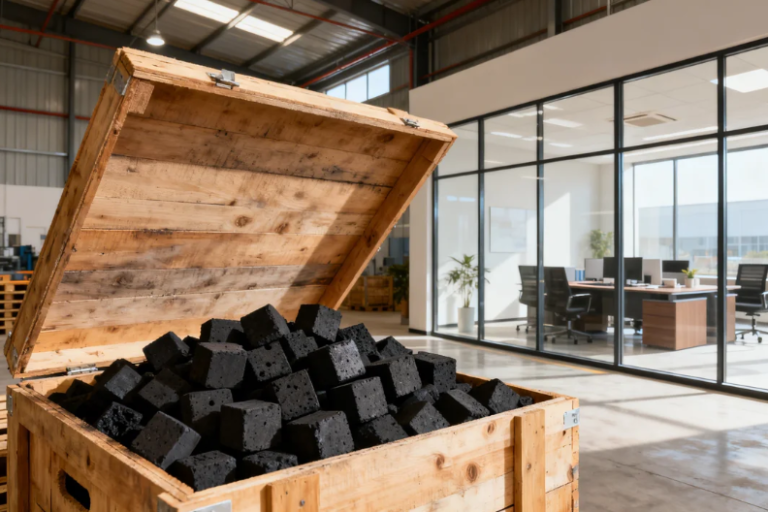
If you are a business owner looking to import briquettes, you must check these specific features. These are the indicators that tell you if a product is truly “export grade.”
- Low Ash Content: Look for products with an ash content below 3%. This means less cleaning for the user.
- White or Silver Ash: The color of the ash tells a story. White ash indicates high-quality material and a clean burning process.
- High Caloric Value: This measures how much heat the briquette produces. Export quality usually sits between 7000 to 7500 kcal/kg.
- No Chemicals: Premium products do not use chemical starters. They are 100% natural and food-safe.
The Growing Demand in the Global Market
The demand for these briquettes is skyrocketing in regions like the Middle East, Europe, and North America. In the Middle East, the shisha culture requires a constant supply of high-heat, low-odor charcoal. In Europe and the USA, the “Green Revolution” is pushing people away from chemicals and toward natural BBQ fuels.
Because Indonesia is one of the world’s largest coconut producers, it has become the global hub for this industry. International buyers trust the quality because the raw material is abundant and the manufacturing techniques have improved significantly over the last decade.
Tips for Storing Your Briquettes
Even the best briquettes can lose their quality if you store them incorrectly. Since these are natural products, they can absorb moisture from the air. Here is how you keep them in top shape:
- Keep them dry: Always store boxes in a cool, dry place.
- Avoid Direct Sunlight: Extreme heat can make the packaging brittle.
- Seal the Box: If you have an open box, try to seal it with tape to prevent humidity from getting inside.
Is It Worth the Investment?
Many people ask if paying more for export quality is worth it. The answer is a resounding yes. If you use cheap charcoal, you will end up using twice as much because it burns too fast. You also risk ruining the taste of your food or your shisha experience with bad smells.
By choosing premium briquettes, you save money in the long run. You get more “burn time” per kilo, a cleaner environment, and a much better overall experience.
Conclusion
Export quality briquettes represent the best of sustainable energy. They turn simple coconut waste into a powerful, clean-burning fuel that people all over the world love. Whether you are a wholesaler looking for a reliable supplier or a backyard BBQ enthusiast, choosing high-standards briquettes is the smartest move you can make.
Focus on quality, check the specifications, and enjoy the clean heat that only premium coconut charcoal can provide.