What Makes Coconut Charcoal Briquettes a Superior Fuel Option
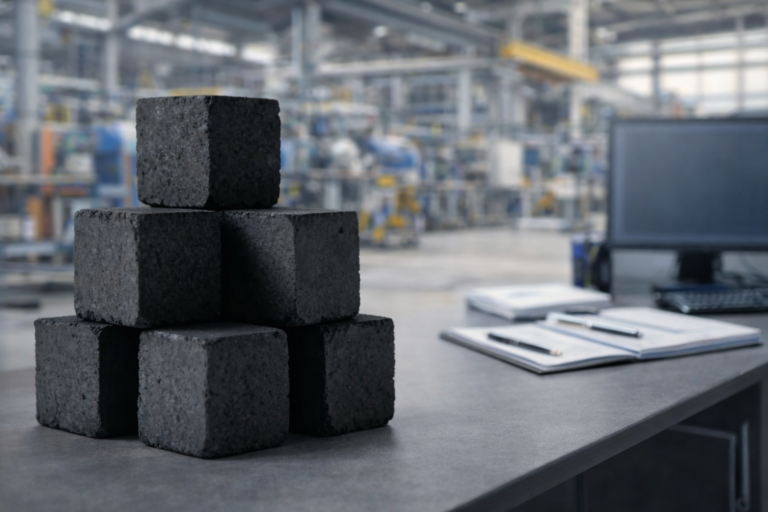
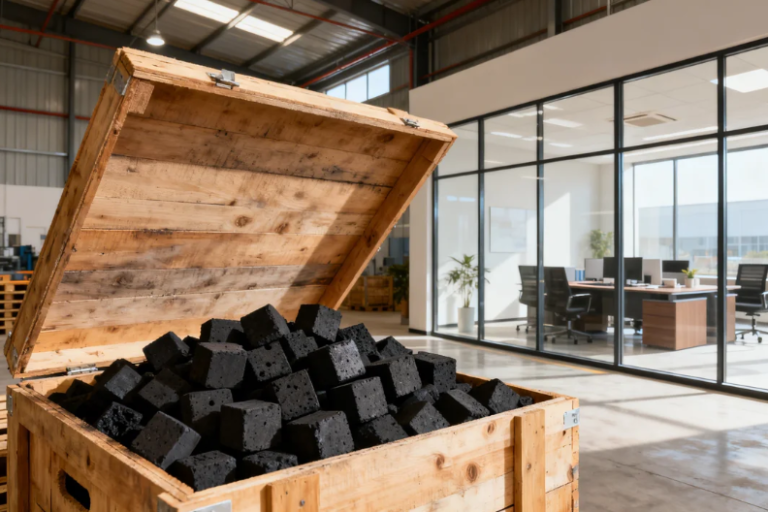
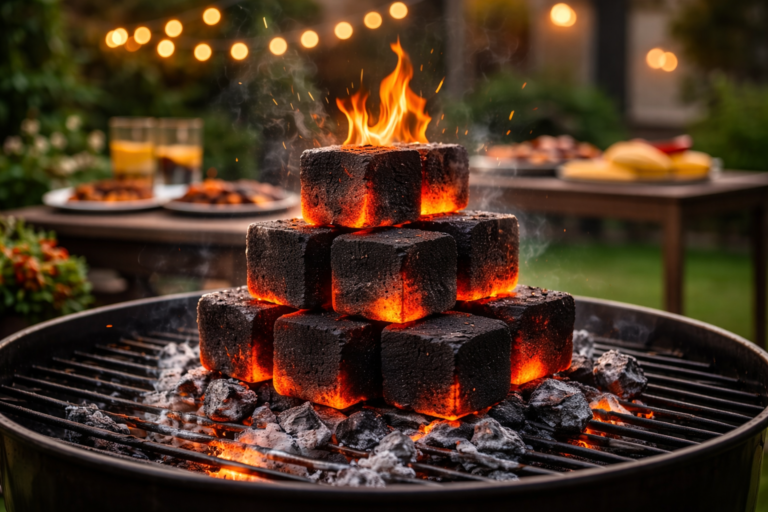
Coconut charcoal briquettes have swiftly become a preferred energy source for grilling, shisha, and industrial heating due to their eco-friendly profile and impressive thermal properties. Derived from coconut shell waste, these briquettes transform a problematic agricultural byproduct into a dense, slow-burning fuel that outperforms many conventional charcoal options. Their rise in popularity reflects a broader shift toward sustainable practices across the food service and hospitality sectors. Moreover, users consistently report cleaner burns, reduced smoke, and remarkable heat retention, making them ideal for both professional kitchens and backyard barbecue enthusiasts. For those who demand reliability and environmental responsibility, Coconut Charcoal Briquettes provide a practical and effective solution.
Raw Material Origins
The production of high‑performance briquettes begins with carefully selected coconut shells, a renewable resource widely available in tropical nations. These shells possess a naturally high lignin content, which acts as a binding agent during carbonization and contributes to the briquette’s structural integrity. Consequently, manufacturers can minimize the use of synthetic additives while still achieving a hard, durable product.
Furthermore, the sourcing process itself supports circular economy principles by diverting shells from landfills or open burning. This raw material not only ensures a consistent burn quality but also reduces pressure on forest timber, making it a responsible choice from the very first step.
- Abundant and annually renewable agricultural residue
- High lignin percentage enhances natural binding
- Low moisture absorption improves ignition and storage
- No harmful chemical pretreatment required
- Traceable supply chains from coconut‑producing regions
Manufacturing Process
Turning raw shells into finished briquettes involves a series of controlled operations that preserve energy density while eliminating impurities. Initially, the shells undergo slow pyrolysis in low‑oxygen kilns, carbonizing the material without turning it to ash. This step determines the final product’s calorific value and porosity, directly influencing how evenly the briquette will burn.
However, carbonization alone is not enough. After cooling, the char is milled into a fine powder and blended with a small amount of natural starch binder, then extruded under high pressure into uniform shapes. Finally, the briquettes are dried and packaged in moisture‑proof conditions, guaranteeing that each piece retains its performance until use.
- Controlled carbonization for optimal fixed carbon content
- Precision grinding to uniform particle size
- Use of food‑grade starch as a binder
- High‑pressure extrusion for density and shape consistency
- Multi‑stage drying to reach target moisture below 7%
Performance in Cooking
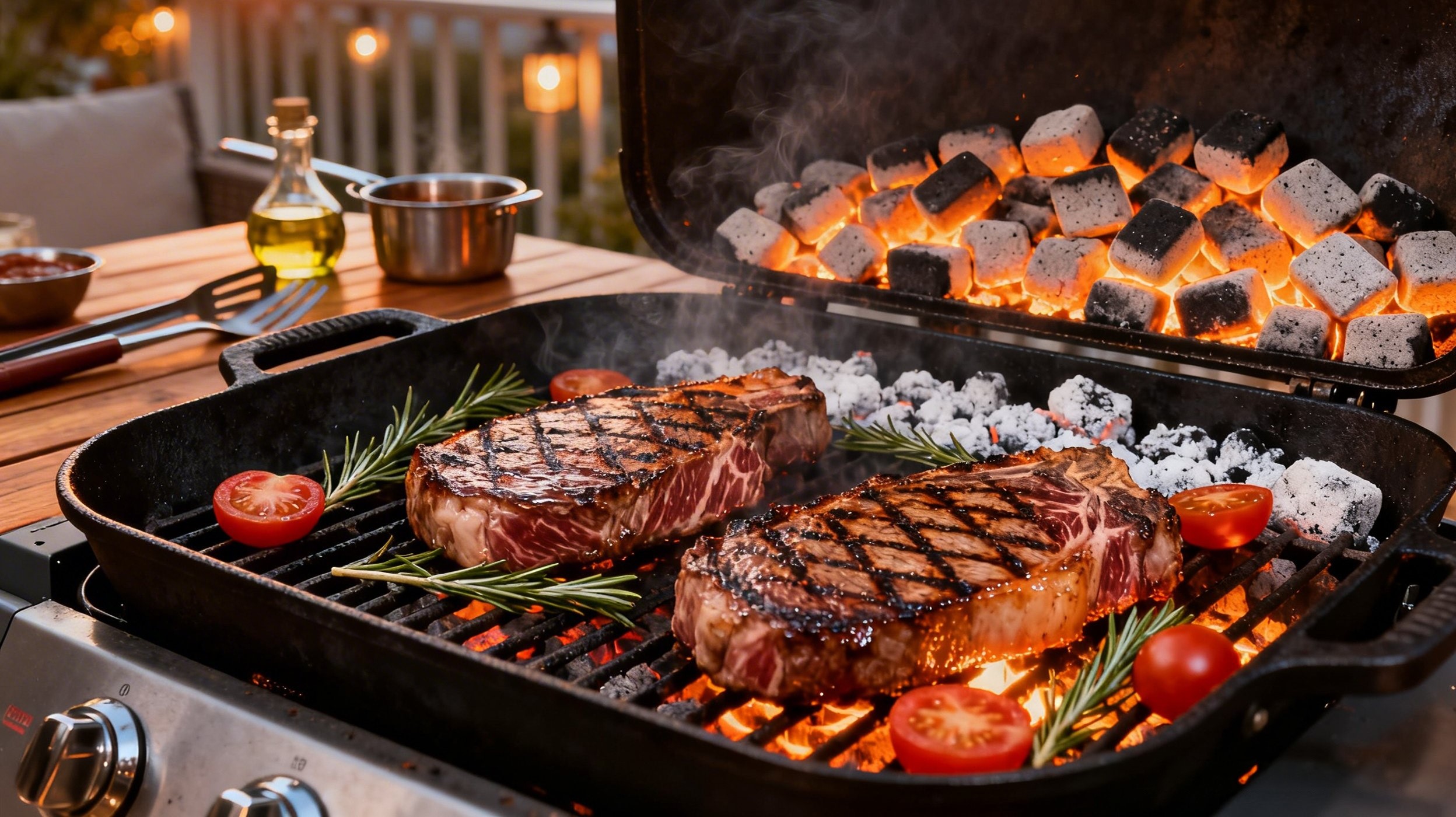
When ignited, premium briquettes deliver a stable, high‑temperature flame that suits grilling, roasting, and even tandoor applications. Their dense structure enables a burn time that often exceeds three hours, drastically reducing the frequency of replenishment during long cooking sessions. Therefore, chefs can maintain consistent heat without constant adjustment.
In addition, these briquettes produce minimal smoke and almost no spark, which preserves the natural aroma of food and enhances the dining experience. As a result, they are highly favored in open‑kitchen concepts and outdoor catering where air quality and presentation matter equally.
- Calorific value typically above 7,000 kcal/kg
- Continuous burn of 3‑5 hours per load
- Very low ash residue simplifies cleanup
- Neutral flavor profile that protects food taste
- Quick ignition when combined with a chimney starter
Sustainability Factors
Choosing coconut‑based fuel contributes significantly to environmental preservation by reducing dependence on wood charcoal. Since coconut shells are a waste product, their utilization prevents methane emissions that would occur during natural decomposition. Moreover, the production process consumes less energy compared to traditional charcoal manufacturing, shrinking the overall carbon footprint.
Hence, restaurants and eco‑conscious consumers gain a fuel option that aligns with green certifications and corporate sustainability goals. The spent ash is also biodegradable and rich in potassium, making it a valuable soil amendment rather than hazardous waste.
- Zero deforestation impact compared to hardwood charcoal
- Diverts agricultural waste from landfills and open burning
- Lower greenhouse gas emissions across the lifecycle
- Biodegradable by‑product safe for garden use
- Supports rural economies around coconut plantations
Cost Efficiency
Although the initial price per kilogram can be slightly higher than that of low‑grade lump charcoal, the extended burn time and higher energy output result in lower consumption overall. For instance, a single batch of briquettes often accomplishes what would require two or three refills of conventional charcoal, directly reducing operational costs.
Furthermore, storage is straightforward because the briquettes remain stable in humid environments and do not crumble into unusable dust. This durability, combined with reduced logistics for procurement, makes them a smart long‑term investment for commercial kitchens.
- 15‑30% lower mass consumption per cooking session
- Long shelf life without quality degradation
- Decreased labor for fire management and cleaning
- Bulk purchase options with volume pricing
- Lower waste disposal fees due to minimal ash
Comparison with Other Fuel Types
When placed side by side with hardwood charcoal, sawdust briquettes, or mineral‑based fuels, coconut charcoal demonstrates clear advantages in burn consistency and environmental impact. Hardwood charcoal often contains irregular pieces that cause temperature fluctuations, while sawdust varieties may include unknown fillers that affect aroma. Therefore, discerning users gravitate toward coconut‑shell briquettes for their uniformity.
Consequently, businesses that switch to this fuel report fewer customer complaints about smoke irritation and more predictable cooking outcomes. Additionally, the global availability of certified suppliers has made it easier than ever to source a product that meets strict quality and sustainability standards.
- Higher fixed carbon than most sawdust briquettes
- More uniform shape and size than lump hardwood
- Cleaner burn with no chemical odor or sparking
- Competitive pricing against premium charcoal brands
- Widely accepted in shisha, barbecue, and industrial use
For inquiries about bulk orders or to request a sample, simply reach out through the contact details below. Our team is ready to assist you in selecting the right product for your needs.
Premium Coconut Briquette
Konsultasi GRATIS via WhatsApp: 081330309180
“`