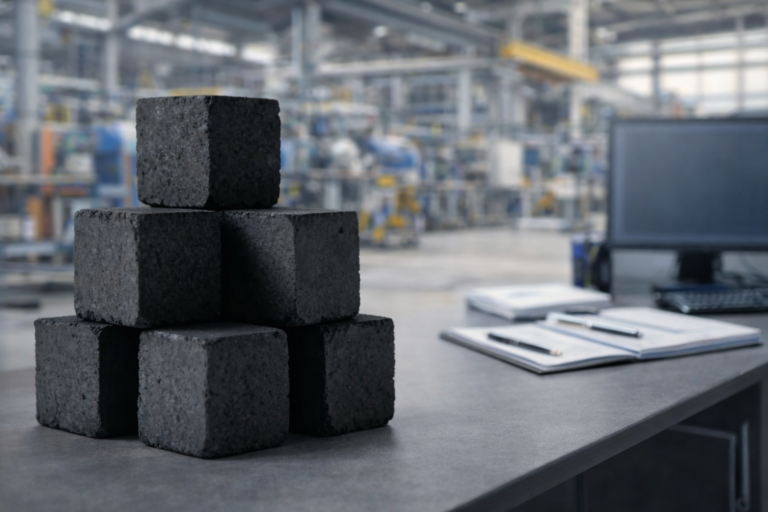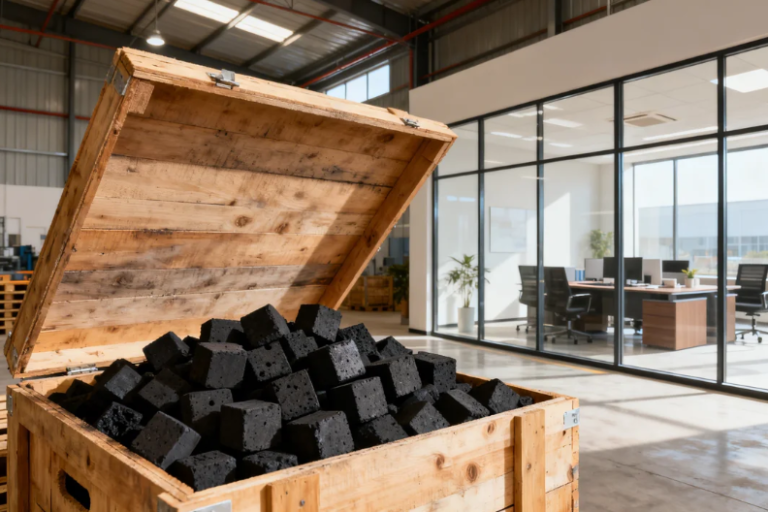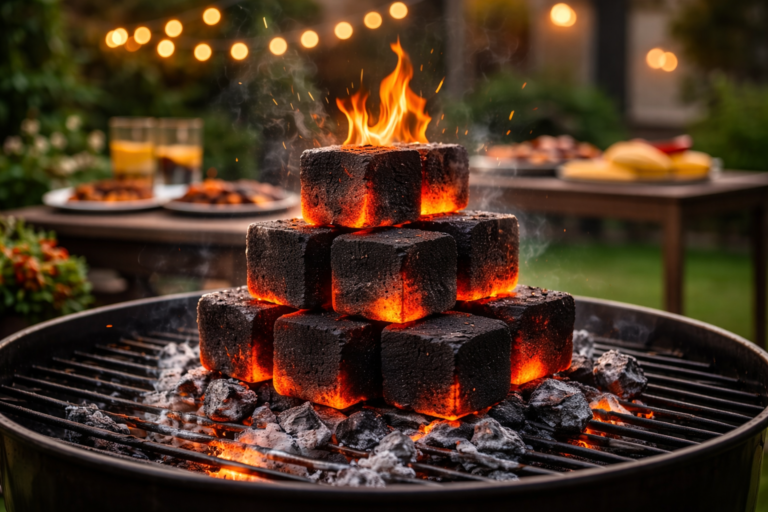
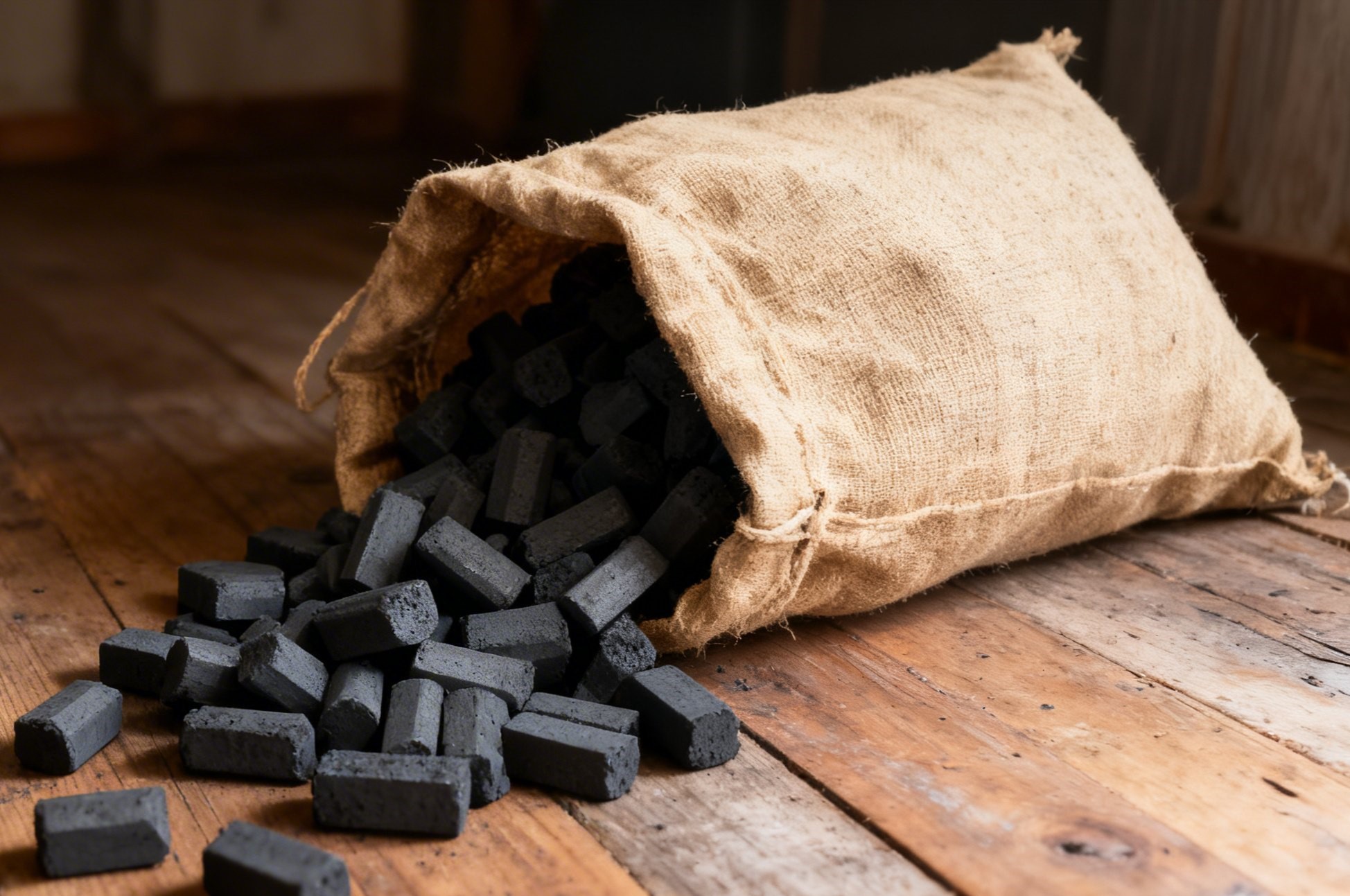
Many households and commercial kitchens search endlessly for a clean, efficient, and sustainable fuel source. Standard charcoal often creates excessive smoke, uneven heat, and frustrating amounts of residue. Natural Coconut Briquettes With Low Ash Content present a compelling alternative that addresses these exact concerns. They burn cleaner, last longer, and simplify post-cooking cleanup significantly. Natural Coconut Briquettes deliver unmatched performance for both casual barbecues and professional culinary environments.
Understanding the Production Process
Coconut shell charcoal manufacturing requires precise carbonization techniques. Producers heat shells at controlled temperatures in low-oxygen environments. This process removes moisture and volatile compounds effectively.
After carbonization, manufacturers crush the charcoal into fine powder. They then mix it with natural binders like tapioca starch. The mixture gets compressed under high pressure into uniform shapes. Thermal treatment follows to strengthen each briquette’s structure.
Quality control remains paramount throughout production. Factories screen materials for impurities at multiple stages. Therefore, the final product contains minimal non-combustible elements. The ash percentage drops below three percent in premium batches.
- Raw material selection: Mature coconut shells provide the best carbon density.
- Carbonization temperature: Kilns operate between 400 and 600 degrees Celsius.
- Crushing consistency: Uniform particle size ensures even burning patterns.
- Binder ratio: Natural starch content stays under five percent of total mass.
- Drying duration: Sun drying or mechanical drying reduces moisture to safe levels.
Low ash production also depends on thorough washing stages. Some facilities rinse carbonized shells before crushing. This removes residual sand and dust effectively. Consequently, combustion produces cleaner results.
Key Benefits for Modern Grilling
Grilling enthusiasts value consistent heat above all. Coconut briquettes maintain stable temperatures for extended periods. Unlike lump charcoal, they do not flare up unexpectedly.
The reduced ash generation simplifies grill maintenance immensely. You spend less time scraping and more time enjoying meals. Additionally, ash does not contaminate food during cooking.
These briquettes ignite without chemical accelerants or petroleum additives. Natural ignition produces no off-flavors or toxic fumes. Your food tastes purely of ingredients and seasoning.
- Extended burn time: Briquettes last two to three hours on a single load.
- Odorless combustion: No unpleasant smoke interferes with food aromas.
- Minimal sparking: Safe usage even in compact outdoor spaces.
- High calorific value: Energy output reaches 7000 kilocalories per kilogram.
- Uniform shape: Stacking and arranging becomes effortless for airflow control.
Restaurants particularly appreciate the economic advantages. Steady heat reduces fuel consumption per cooking session. Thus, operational costs decline over time. The cleanliness factor also satisfies health inspection standards.
Comparative Analysis With Conventional Charcoal
Traditional wood charcoal dominates markets in many regions. However, it carries significant environmental drawbacks. Deforestation concerns plague the hardwood charcoal industry. Mangrove destruction accelerates in coastal areas due to demand.
Coconut briquettes utilize agricultural waste instead of virgin timber. Millions of shells become discarded annually without productive reuse. Converting them into fuel creates value from leftovers. This circular approach protects forests and reduces landfill burdens.
From a performance perspective, differences emerge clearly. Wood charcoal burns faster and hotter initially. Nevertheless, it cannot sustain that intensity for long durations. Coconut briquettes maintain moderate to high heat steadily.
- Ash content comparison: Premium coconut briquettes produce under three percent ash while conventional charcoal yields up to ten percent.
- Smoke emission: Coconut variants emit significantly less visible smoke.
- Carbon footprint: Agricultural waste repurposing reduces lifecycle emissions.
- Moisture resistance: Briquettes remain usable after incidental water exposure.
- Storage efficiency: Uniform shapes optimize packaging and warehouse space.
Price comparisons often surprise new buyers. Although premium briquettes cost more per kilogram, their efficiency offsets initial expense. The cost per cooking hour frequently proves lower. Moreover, reduced cleaning materials and time save additional resources.
Sustainability and Environmental Impact
Global awareness of carbon emissions continues rising rapidly. Consumers increasingly demand eco-friendly alternatives in every product category. Coconut briquettes address this shift meaningfully.
Coconut palms produce fruit multiple times annually. Shells regenerate quickly unlike hardwood trees requiring decades to mature. The supply chain remains renewable and predictable. Farmers gain supplementary income from shell sales too.
Certification bodies now recognize sustainably produced briquettes. Labels like FSC equivalent for agricultural waste apply in some jurisdictions. Consequently, environmentally conscious restaurants can market their green practices authentically.
- Waste reduction: Billions of shells get diverted from landfills yearly.
- Low carbon emission: Combustion releases only biogenic carbon.
- Water conservation: Production requires minimal water compared to wood processing.
- Soil protection: No mining or deforestation accompanies raw material sourcing.
- Biodiversity preservation: Habitats remain undisturbed by shell collection.
International markets increasingly mandate sustainability documentation. Exporters must demonstrate responsible sourcing transparently. Coconut briquettes satisfy these requirements reliably.
Proper Storage and Handling Techniques
Improper storage degrades briquette quality significantly. Moisture absorption leads to crumbling and poor ignition. Keeping packages sealed until use prevents humidity damage. Dry, ventilated areas provide optimal conditions.
Transportation methods influence product integrity too. Rough handling causes breakage and dust formation. Therefore, suppliers invest in robust packaging solutions. Double-layer bags with moisture barriers extend shelf life considerably.
Users should inspect briquettes before loading grills. Cracked or excessively dusty pieces burn inconsistently. Setting aside damaged units ensures predictable cooking results. Additionally, sieving stored briquettes removes accumulated fines.
- Storage temperature: Maintain between 15 and 35 degrees Celsius.
- Humidity control: Relative humidity below 60 percent prevents deterioration.
- Stacking limit: Avoid compressing lower layers under excessive weight.
- Pest prevention: Sealed containers deter insects from nesting.
- Shelf life: Properly stored briquettes last over twelve months.
Ignition techniques vary by equipment type. Charcoal chimneys yield consistent results without chemical starters. Electric starters provide convenience for frequent users. Avoid lighter fluids to preserve natural combustion benefits.
Selecting Trustworthy Suppliers Worldwide
Global trade in coconut briquettes has expanded dramatically. Numerous producers operate across Southeast Asia, South Asia, and East Africa. Differentiating reliable exporters from substandard ones requires careful evaluation.
Certifications indicate commitment to quality standards. Look for ISO certifications covering manufacturing processes. Food-grade certifications matter for culinary applications. Additionally, sustainability certifications verify environmental claims.
Sample testing remains the most reliable assessment method. Request small quantities before placing bulk orders. Burn samples under controlled conditions and measure ash residue. Check for sparking, odor, and heat duration systematically.
- Production capacity: Reliable suppliers maintain consistent monthly output.
- Third-party lab reports: Independent testing confirms composition claims.
- Client testimonials: Verified reviews from international buyers indicate reliability.
- Packaging options: Private labeling and custom retail packaging availability.
- Logistics experience: Proven track record with export documentation procedures.
Communication responsiveness reveals professional commitment levels. Suppliers answering inquiries promptly demonstrate organizational competence. Negotiate clear terms regarding minimum order quantities and payment schedules. Document every specification to avoid future disputes.
Common Applications Beyond Barbecuing
While grilling represents the most visible use case, these briquettes serve diverse purposes. Hookah lounges increasingly adopt coconut charcoal for premium sessions. The clean burn enhances flavor without chemical interference.
Industrial processes utilize briquettes for consistent heat generation. Metal forging and glassblowing workshops appreciate predictable temperature profiles. Consequently, artisanal craftspeople become loyal long-term customers.
Emergency preparedness kits benefit from compact, long-lasting fuel. Briquettes require minimal storage space compared to wood logs. They function reliably in portable stoves during power outages.
- Shisha charcoal: Premium lounges demand coconut-based cubes for flavor purity.
- Foundries: Small-scale metal casting operations use briquettes for melting.
- Camping fuel: Lightweight and efficient for backpacking scenarios.
- Incense production: Powdered charcoal becomes base material for fragrant products.
- Water filtration: Activated carbon derived from shells purifies liquid streams.
Asian and Middle Eastern markets drive significant demand growth. Traditional cooking methods integrate briquettes seamlessly. Exporters report rising orders from Europe and North America too. The versatility expands market opportunities continuously.
Cost-Benefit Analysis for Bulk Buyers
Procurement managers evaluate total cost of ownership, not unit prices alone. Cheaper charcoal often requires larger quantities per cooking session. The hidden expenses accumulate through frequent repurchasing.
Natural coconut briquettes demonstrate superior value through extended burn times. One kilogram accomplishes what multiple kilograms of standard charcoal achieve. Therefore, storage requirements decrease proportionally. Inventory management becomes simpler for high-volume users.
Shipping costs reward efficient fuel choices substantially. Ocean freight rates depend on volume and weight considerations. Concentrated energy density reduces transportation expenses per cooking hour. Additionally, fewer shipments mean lower carbon footprints for supply chains.
- Fuel cost per hour: Premium briquettes reduce expenditure by up to thirty percent.
- Labor savings: Less frequent refueling frees staff for other tasks.
- Cleanup reduction: Minimal ash disposal cuts janitorial time significantly.
- Equipment longevity: Low residue protects grills from corrosive buildup.
- Insurance benefits: Safer combustion may lower fire risk assessments.
Restaurant chains calculate these advantages systematically. Pilot programs in single outlets demonstrate measurable improvements. Successful tests justify company-wide switching decisions. The financial case becomes undeniable with proper documentation.
Premium Coconut Briquette
Konsultasi GRATIS via WhatsApp: 081330309180
“`