Why Shisha Coconut Charcoal Is the Top Choice for Hookah Enthusiasts
Hookah smoking has evolved far beyond a simple social activity, becoming a sensory ritual where every detail shapes the overall experience. The choice of charcoal plays a defining role in the flavor, heat, and purity of each session, often making the difference between a smooth inhalation and a harsh, chemical-tasting cloud. Among the various options available, Shisha Coconut Charcoal has rapidly gained recognition for its exceptional performance and natural composition. Seasoned smokers and lounge owners appreciate how this type of charcoal burns steadily and reduces unwanted interference with the shisha tobacco’s delicate notes. Many discerning users now prefer Shisha Coconut Charcoal for a cleaner, longer-lasting hookah session without compromise.
The Superior Performance of Natural Hookah Briquettes
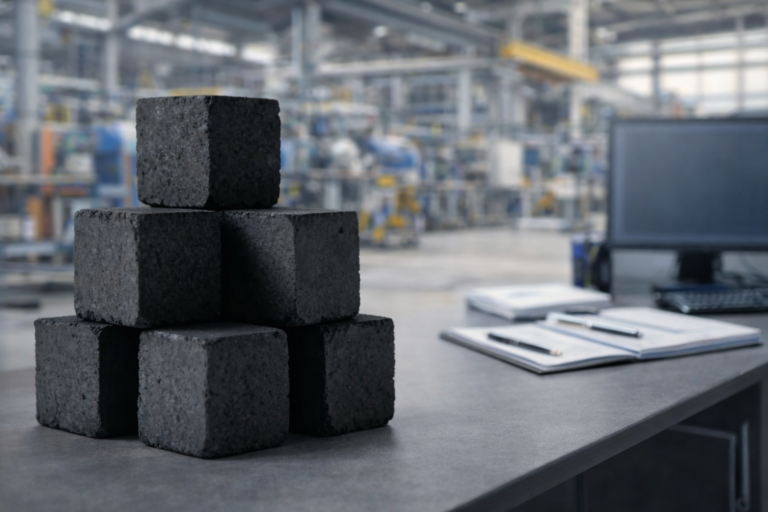
Natural coconut briquettes deliver a remarkably consistent heat output throughout the smoking session. In addition, they produce minimal ash, which keeps the bowl cleaner and simplifies heat management. Therefore, smokers can enjoy a stable temperature without constant adjustments.
Unlike quick-light discs, coconut-based charcoal contains no chemical binders or accelerants. So, the pure taste of the chosen tobacco remains unaltered and entirely authentic. However, it requires a longer initial lighting time, which is a small trade-off for the superior flavor.
- Steady, even heat distribution for up to two hours
- Low ash production reduces mess and maintenance
- Zero chemical additives ensure pure smoke
- High-density structure prevents sudden temperature drops
- Versatile performance across various bowl types
Behind the Scenes: How Coconut Shells Become Premium Fuel
Manufacturers source raw coconut shells from Southeast Asian processing plants, primarily in Indonesia. Next, they carbonize these shells in oxygen-controlled kilns to create dense char. Consequently, the material gains a high fixed carbon content, which is essential for efficient burning.
After carbonization, the char is ground into fine powder and mixed with natural starch binders. Machines then compress this mixture into uniform briquettes under immense pressure. Thus, the final product achieves a consistent shape and density that ensures reliable performance.
- Raw coconut shells are cleaned and dried thoroughly
- Pyrolysis at high temperatures removes volatile compounds
- Grinding creates a uniform base for molding
- Natural binders are blended without synthetic chemicals
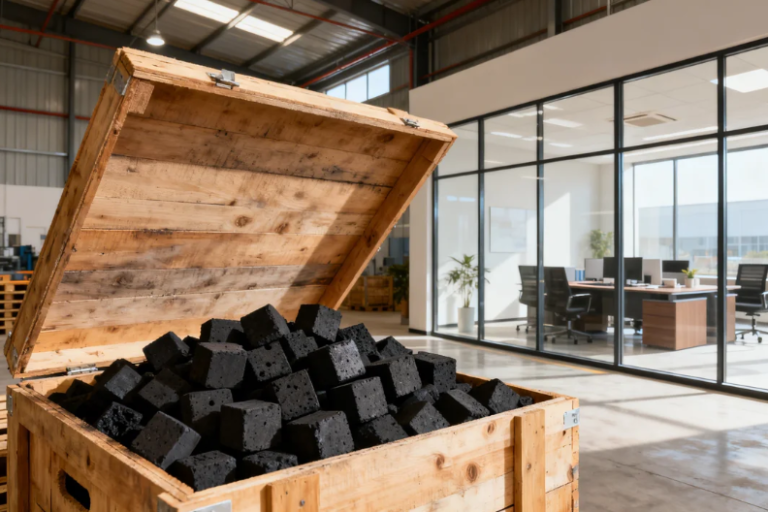
- Briquettes are dried and packaged in moisture-resistant materials
Key Factors to Consider When Buying Hookah Charcoal
Size and shape significantly influence how well the charcoal fits on a foil or heat management device. Furthermore, cube or flat shapes often provide better surface contact and airflow. Hence, you should check compatibility with your specific hookah setup before purchasing.
Raw material origin determines the overall quality and burn characteristics. Charcoal from mature coconut shells tends to be denser and less prone to cracking. In addition, reputable suppliers share lab test results that confirm low moisture and high carbon content.
- Verify the charcoal dimensions: 25mm cubes or 33mm flats
- Inspect packaging for origin labels and certifications
- Look for moisture content below 8 percent
- Choose products with minimal dust and broken pieces
- Read customer reviews regarding burn time and sparking
Health and Environmental Advantages Worth Noting
Coconut charcoal burns with a much lower carbon monoxide release compared to traditional wood charcoals. Additionally, since it is made from a waste product, it reduces agricultural landfill volume. Therefore, the eco-friendly profile appeals to environmentally conscious consumers.
The absence of petroleum-based starters eliminates the inhalation of volatile organic compounds. Several laboratory studies confirm that high-quality briquettes leave no chemical residue in the smoke. As a result, users experience fewer throat irritations and cleaner sessions.
- Renewable coconut shells are a sustainable raw resource
- Production emits fewer greenhouse gases than wood charcoal
- No sulfur or potassium nitrate is needed for ignition
- Combustion ash can serve as a natural soil fertilizer
- Recycling shells supports coastal community economies
Proper Lighting Techniques for the Best Results
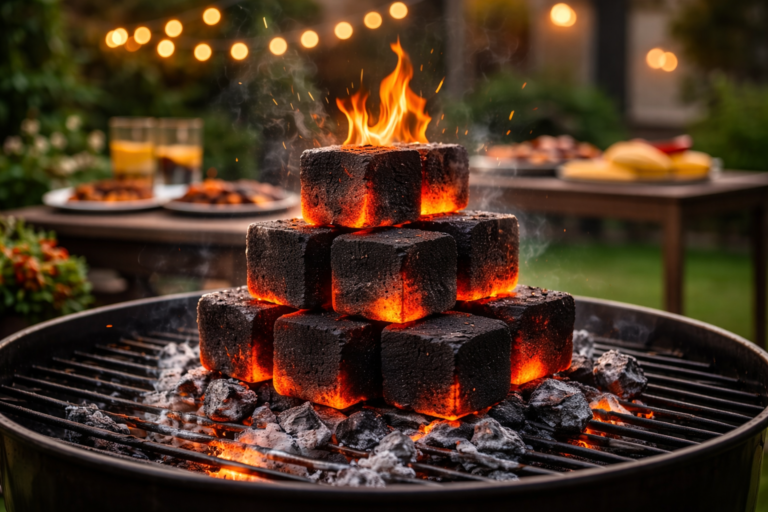
A single-coil electric burner provides the most efficient and mess-free ignition method. Alternatively, a gas stove works well if you place the briquettes on a wire rack. However, avoid direct flame contact, as it causes uneven heating and excessive external charring.
Allow the charcoal to heat for eight to twelve minutes until the surface glows consistently red. After that, flip each piece to ensure complete ignition from all sides. Consequently, you will achieve a thorough, ashy coating that signals readiness for the session.
- Use a dedicated charcoal lighter or single-coil stove
- Keep briquettes spaced apart for even airflow
- Wait until no black spots remain on the surface
- Transfer with tongs to avoid burns and breakage
- Let excess ash fall away before placing on the bowl
Storage and Shelf Life Considerations
Humidity is the primary enemy of coconut charcoal, causing it to absorb moisture and perform poorly. Therefore, always seal opened packages tightly or transfer the briquettes to an airtight container. With proper care, the product maintains its quality for over two years.
Store the container in a cool, dry place away from direct sunlight or heat sources. In addition, include a silica gel packet to actively absorb ambient moisture. Otherwise, damp charcoal will crackle, spark, and struggle to reach optimal temperature.
- Keep in original sealed packaging until first use
- Close the bag immediately after removing what you need
- Use desiccant packs in humid climates
- Avoid storing near sinks, windows, or air conditioners
- Discard any pieces that smell musty or appear swollen
Common Mistakes to Avoid During a Session
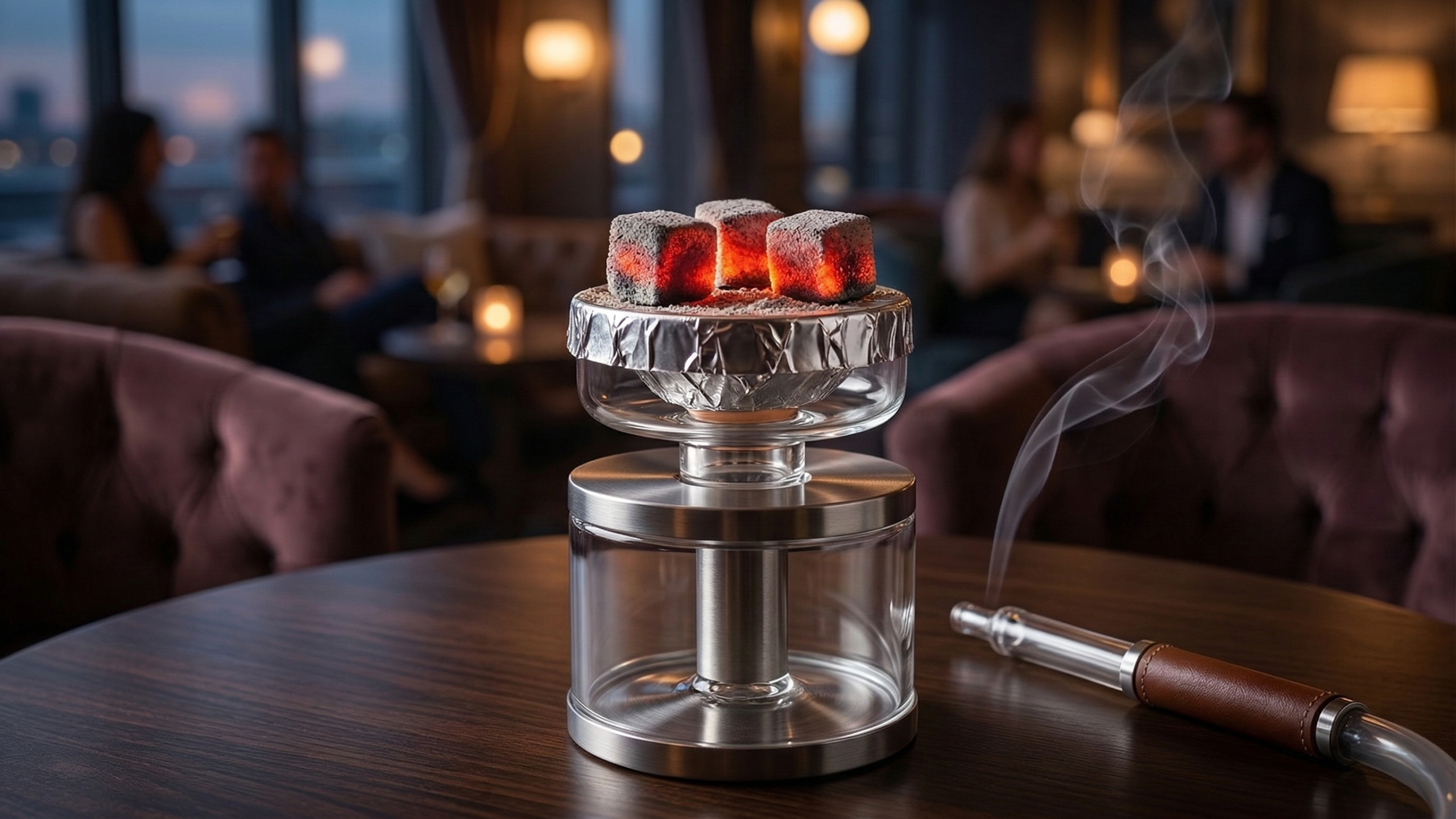
Overloading the bowl with too many briquettes creates excessive heat and harsh smoke. Instead, start with two or three pieces and add more only if the clouds thin out. Thus, you prevent burning the tobacco and maintain a pleasant flavor profile.
Many beginners neglect to rotate the charcoal every fifteen minutes. This simple step redistributes the heat and prevents hot spots on the foil. In addition, it extends the overall burn time and keeps the draw consistently smooth.
- Using a single large piece that covers the entire surface
- Lighting with lighter fluid or cheap accelerants
- Placing charcoal directly on the tobacco without foil
- Ignoring the color of the coal before starting to smoke
- Failing to preheat a heat management device adequately
Frequently Asked Questions
What is the ideal number of briquettes for a medium hookah bowl?
Typically, two 25mm cubes work perfectly for foil setups. However, larger bowls may benefit from three pieces arranged in a triangle pattern.
Do coconut briquettes produce any odor or taste?
No, they are completely neutral when fully lit. Any initial smell comes from starch binders and disappears within minutes.
Can you reuse partially burned charcoal?
Yes, simply extinguish the briquettes by covering them in a sealed metal container. Later, you can relight them for another session without issue.
Why does my charcoal crack and spark during lighting?
This usually indicates high moisture content from improper storage. Dry the briquettes in a warm oven for an hour before using them.
Premium Coconut Briquette
Konsultasi GRATIS via WhatsApp: 081330309180
“`